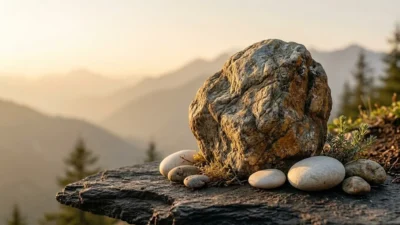
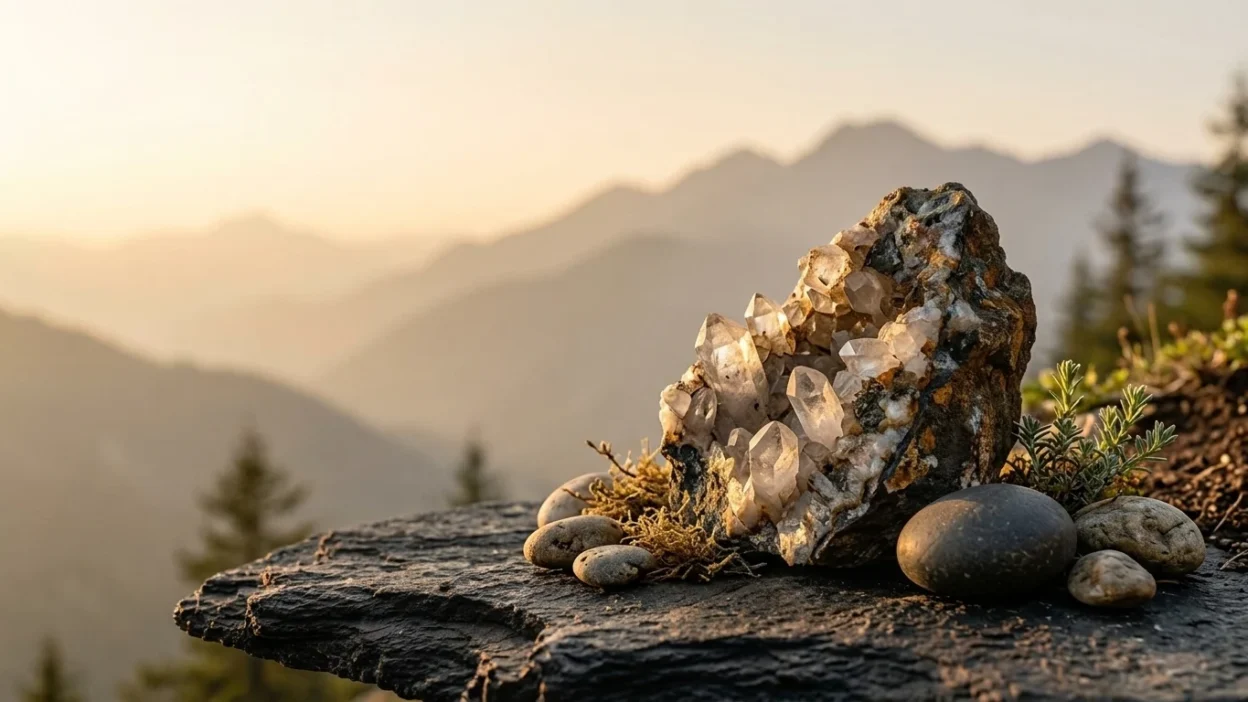
Stone symbolism is deeply connected with strength, stability, endurance, grounding, protection, wisdom, and permanence. Across cultures and generations, stones have been used as markers, foundations, memorials, sacred objects, and reminders of human connection with the natural world.
Because stones endure weather, pressure, and time, they often represent qualities that remain steady through life’s changes. Their meanings can also depend on their color, shape, location, cultural context, and personal significance.
Stone Symbolism Meaning (Clear Definition)
Stone symbolism refers to the meanings and ideas people associate with stones based on their physical qualities, cultural uses, spiritual traditions, and emotional significance.
At the simplest level, a stone can symbolize stability and endurance. Unlike flowers that bloom and fade or water that constantly moves, a stone appears solid and lasting. This makes it a natural symbol of permanence and resilience.
Stone symbolism can represent:
- Strength – the ability to withstand pressure and difficulty.
- Stability – remaining grounded during uncertain times.
- Endurance – continuing despite challenges.
- Protection – creating a boundary or secure foundation.
- Wisdom – knowledge shaped by time and experience.
- Grounding – staying connected to reality and the present moment.
- Permanence – something intended to last.
- Transformation – change that occurs gradually through time and pressure.
Not every stone carries the same meaning. A smooth river stone may suggest peace and emotional flow, while a massive mountain rock may symbolize strength, permanence, or determination.
What Does Stone Symbolism Represent?
Stone symbolism represents qualities that are steady, enduring, and deeply rooted. It often reminds people that meaningful growth does not always happen quickly.
One of the strongest associations is strength. Stones can survive harsh weather, pressure, and erosion, making them powerful images of resilience.
Another important meaning is grounding. Holding or observing a stone can become a simple reminder to slow down, become present, and reconnect with the physical world.
Stone symbolism can also represent permanence. Stones have been used to construct buildings, monuments, roads, walls, temples, and memorials. Their physical durability makes them natural symbols of things people want to preserve.
| Stone Symbolism | Common Meaning |
|---|---|
| Strength | Inner power and resilience |
| Stability | Grounding and emotional steadiness |
| Endurance | Persistence through hardship |
| Protection | Safety, boundaries, and shelter |
| Wisdom | Experience gained over time |
| Permanence | Lasting bonds and memories |
| Grounding | Connection with reality and nature |
| Transformation | Gradual growth through pressure and time |
Stone symbolism can therefore be both comforting and challenging. It may encourage a person to remain firm when necessary while also reminding them that excessive rigidity can prevent growth.
Spiritual Meaning of Stone Symbolism
Spiritually, stones are often associated with grounding, protection, stability, wisdom, and connection with the earth.
Many spiritual traditions have used stones in sacred spaces, ceremonies, monuments, and personal practices. Their physical presence can create a sense of permanence and connection between the natural world and human experience.
A stone may symbolize the importance of having a strong foundation before pursuing spiritual growth. Just as a building requires a stable base, personal development often requires emotional and mental stability.
Stone symbolism can also represent patience. Stones are shaped slowly by wind, water, heat, pressure, and time. This natural process can serve as a metaphor for human transformation.
A person may not notice change from one day to the next, yet gradual experiences can shape character over many years.
Spiritually, stone symbolism may encourage you to:
- Stay grounded during periods of uncertainty.
- Build your life on strong values.
- Be patient with personal growth.
- Protect your emotional boundaries.
- Learn from difficult experiences.
- Recognize strength that develops quietly over time.
In this sense, the stone is not simply a symbol of hardness. It can represent quiet strength—the kind that does not need to prove itself.
Biblical / Religious Meaning of Stone Symbolism
Stones have significant symbolic and literal roles in the Bible and other religious traditions. In biblical passages, stones can represent foundation, remembrance, strength, judgment, obstacles, and spiritual significance.
One well-known example is the use of stones as memorials. In the Book of Joshua, stones were taken from the Jordan River and established as a reminder of an important event. This connects stones with memory and the preservation of sacred history.
Stones also appear in imagery concerning foundations and building. A strong foundation can represent reliability, while a stone may become an image of something solid and enduring.
In Christian tradition, the imagery of the cornerstone carries particular importance. Jesus is associated with cornerstone imagery in the New Testament, connecting stone with foundation and spiritual significance.
The Bible also contains references to stones as obstacles or burdens. This creates another dimension of stone symbolism: something solid can provide support, but it can also become something difficult to move.
Therefore, religious interpretations of stones can include both positive and challenging ideas, depending on the passage and context.
Stone Symbolism in History and Culture
Human history is filled with stone.
Some of the world’s most recognizable ancient structures were built from stone because of its durability. Stone circles, temples, walls, monuments, tombs, statues, and roads demonstrate how strongly humans have connected stone with permanence.
Ancient cultures also used stones as boundary markers and memorials. A stone could mark territory, commemorate an event, identify a burial place, or establish a sacred location.
In many cultures, stones became connected with ancestors and memory. A carved monument could preserve someone’s name or story long after their lifetime.
Different types of stone developed their own cultural associations as well. Marble became associated with sculpture and architecture, while granite became valued for strength and durability. Precious and semiprecious stones developed additional meanings involving beauty, status, spirituality, and personal identity.
The natural landscape also shaped cultural symbolism. Mountains, cliffs, caves, and boulders often appeared in stories and traditions because they represented the impressive power and permanence of nature.
Stone therefore carries a fascinating combination of natural symbolism and human meaning. It is both something found in the earth and something people deliberately shape into objects of cultural importance.
Stone Symbolism in Literature and Art
Stone imagery has long been used in literature and art to communicate ideas that are difficult to express directly.
A stone can represent emotional hardness, silence, strength, memory, loneliness, or permanence. A character described metaphorically as being “like stone” may be portrayed as emotionally guarded or unusually resilient.
Artists have also used stone to explore the relationship between permanence and change. Sculptors transform a rough block into a recognizable human form, making the creative process itself a metaphor for discovery and transformation.
Poetry often contrasts stone with temporary elements such as flowers, clouds, rain, or flowing water. These contrasts allow writers to explore themes of mortality, time, love, and endurance.
A stone monument can also represent memory. Even when people disappear from the physical world, a carved stone may remain as a lasting reminder of their lives.
This makes stone a powerful artistic symbol because it exists between two ideas: stillness and transformation. The stone may appear unchanged, yet human hands, weather, and time can gradually alter it.
Dream Meaning of Stone Symbolism
Dreaming about stones can have different interpretations depending on the dream’s setting, emotions, and details. Stone dreams are generally better understood as symbolic reflections rather than predictions of future events.
A smooth stone may represent peace, acceptance, stability, or emotional calm.
A large rock may symbolize strength, an important responsibility, or an obstacle that feels difficult to overcome.
Carrying a heavy stone may reflect emotional weight, responsibility, pressure, or something you have been holding onto for a long time.
Throwing a stone may symbolize anger, conflict, rejection, or the desire to release something.
Finding a beautiful stone may represent discovering an overlooked quality, opportunity, memory, or source of personal strength.
Climbing over rocks may symbolize persistence while facing challenges.
The emotional atmosphere of the dream matters. A peaceful stone landscape may suggest grounding and stability, while a frightening or obstructive landscape could reflect pressure or uncertainty.
Modern Meaning of Stone Symbolism
Today, stone symbolism continues to appear in architecture, jewelry, landscaping, memorials, art, interior design, and personal rituals.
Modern interpretations often emphasize grounding and resilience. In a rapidly changing world, the physical permanence of stone can represent the desire for stability and simplicity.
Stone can also symbolize boundaries. A stone wall separates spaces and provides protection, making it an appropriate metaphor for healthy emotional limits.
At the same time, modern stone symbolism recognizes that strength does not mean refusing to change. A stone shaped by water demonstrates that even something hard can be transformed gradually.
This creates an important modern lesson: resilience is not always about staying exactly the same. Sometimes resilience means allowing experience to shape you without losing your foundation.
Stone Symbolism in Love and Relationships
In relationships, stone symbolism can represent commitment, loyalty, stability, trust, and lasting connection.
A stone may symbolize a relationship that has developed a strong foundation over time. It can also represent promises, memories, or emotional bonds that people want to preserve.
However, stone has a shadow side. Being emotionally “stone-like” can suggest distance, stubbornness, or difficulty expressing feelings.
Healthy relationships require both stability and flexibility. Stone symbolism can therefore remind people to create strong foundations without becoming emotionally closed.
The Shadow Side of Stone Symbolism
Stone symbolism is not always positive.
Because stones are hard and immovable, they can represent rigidity, emotional resistance, stubbornness, isolation, or burdens.
A person may become so focused on being strong that they stop allowing themselves to receive support. Similarly, refusing every form of change can turn stability into stagnation.
The deeper lesson is balance. Strength is valuable, but strength does not require emotional hardness. Stability can coexist with flexibility, compassion, and growth.
What Stone Symbolism Can Teach Us
Stone symbolism offers several simple lessons that remain meaningful in everyday life.
Stay grounded. When circumstances become uncertain, returning to your core values can provide stability.
Respect gradual growth. Stones are shaped by processes that can take enormous amounts of time. Personal development can work the same way.
Build strong foundations. Lasting relationships, goals, and communities need dependable foundations.
Allow yourself to change. Being strong does not mean remaining unchanged. Even stone is gradually shaped by water, wind, and time.
Remember what matters. Stones have long been used to preserve memories and mark important places. They can remind us to value experiences worth carrying forward.
Frequently Asked Questions About Stone Symbolism
What is the main meaning of stone symbolism?
Stone symbolism commonly represents strength, stability, endurance, grounding, protection, wisdom, and permanence. Its exact meaning depends on cultural and personal context.
What does a stone symbolize spiritually?
Spiritually, a stone can symbolize grounding, inner strength, protection, patience, stability, and connection with the natural world.
What does a stone represent in dreams?
Stone dreams may symbolize stability, emotional weight, obstacles, resilience, or something enduring in your life. The dream’s setting and emotional feeling help determine the most relevant interpretation.
What does stone symbolize in love?
In love, stones can represent loyalty, commitment, trust, stability, and lasting bonds. However, they can also symbolize emotional distance or stubbornness when the stone appears hard or immovable.
Why are stones associated with strength?
Stones naturally withstand pressure, weather, and time. Because of this durability, humans have long used them as symbols of resilience, permanence, and dependable foundations.
Conclusion
Stone symbolism reflects the enduring qualities people often seek in life: strength, stability, protection, wisdom, grounding, and resilience. Yet its deeper message is not simply to become hard. Like a stone shaped by water and time, we can remain grounded while still allowing life to transform us.

Gabriel Santiago is a dedicated writer and symbolism researcher at BibloSign.com, passionate about exploring symbol meanings, cultural traditions, spiritual interpretations, and historical significance to help readers better understand the world of symbolism.