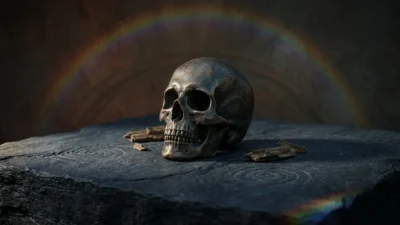
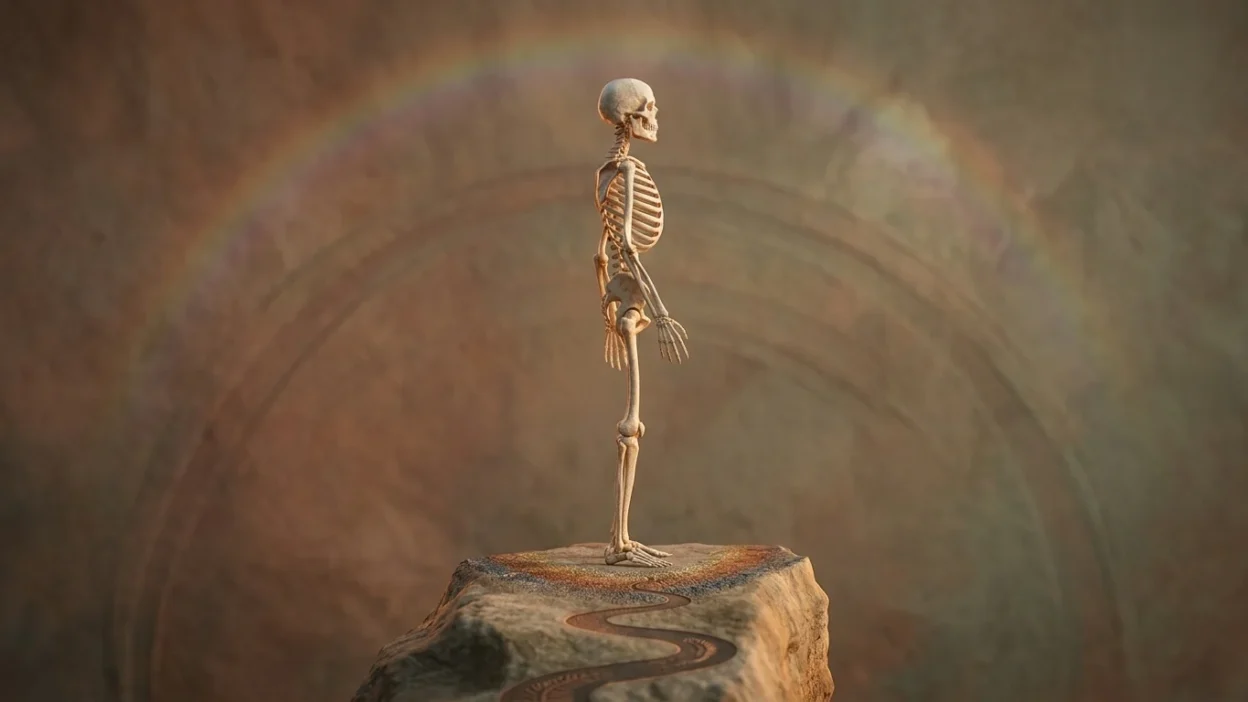
At first glance, a skeleton might seem like a simple symbol of death. But look closer, and you’ll find something far more layered and meaningful. That’s exactly why skeleton symbolism has fascinated cultures, artists, and spiritual traditions for centuries, representing not just mortality, but also strength, transformation, and the enduring core beneath every living thing. Because it forms the very foundation of the body, the skeleton remains one of the most powerful symbols of both life and what lies beyond it.
If you’ve ever wondered why skeletons carry such deep meaning beyond their association with death, this guide will walk you through everything this iconic symbol truly represents.
Skeleton Meaning (Clear Definition)
At its core, the skeleton symbolizes mortality, inner strength, and transformation. Because it remains long after the body’s outer form is gone, the skeleton represents what is lasting and essential beneath the surface.
Here’s a quick overview of its core symbolic meaning:
| Symbolic Element | Meaning |
|---|---|
| Bone Structure | Strength, foundation |
| Mortality | Life’s impermanence |
| What Remains | Endurance, essence |
| Death Imagery | Transformation, rebirth |
| Protective Framework | Support, resilience |
Because the skeleton represents both an ending and a foundation, its symbolism often reflects the idea that true strength lies beneath what we can see on the surface.
What Does the Skeleton Represent?
Overall, skeleton symbolism touches on several meaningful and reflective themes:
- Mortality – reminding us of life’s temporary and precious nature
- Inner strength – representing the sturdy framework that supports the body
- Transformation – often tied to death as a passage rather than an end
- Truth and essence – symbolizing what remains once surface layers fade
- Resilience – reflecting the ability to endure and provide structure
- Equality – reminding us that beneath appearances, everyone shares the same foundation
Together, these themes highlight why the skeleton continues to be seen as one of the most symbolically rich representations of both mortality and enduring strength.
Spiritual Meaning of the Skeleton
Spiritually, the skeleton represents transformation, inner truth, and the impermanence of physical life. Because it remains after the body’s outer form fades, the skeleton is often associated with what is eternal or unchanging within us.
More specifically, the spiritual meaning of the skeleton often includes:
- Acceptance of life’s natural cycles, including death and renewal
- Recognizing inner strength beneath external circumstances
- Letting go of surface-level attachments to focus on deeper truth
- Embracing transformation as a necessary part of spiritual growth
Many spiritual traditions view the skeleton as a powerful teacher, believing it encourages reflection on what truly matters beneath life’s temporary appearances.
Biblical and Religious Meaning of the Skeleton
In many religious texts, the skeleton holds symbolic significance tied to mortality, resurrection, and spiritual renewal.
In biblical and religious interpretations, the skeleton is often associated with:
- Mortality and the temporary nature of earthly life
- Resurrection and renewal, symbolizing hope beyond physical death
- Divine restoration, reflecting the idea that even what seems lifeless can be renewed
- Humility, reminding believers of life’s fragile and fleeting nature
Because the skeleton so consistently represents both mortality and the promise of renewal, it remains a meaningful symbol across various religious traditions.
Skeleton Symbolism in History and Culture
Throughout history, skeletons have carried diverse and powerful cultural meaning.
- Mexican Día de los Muertos traditions – Skeletons symbolize a joyful celebration of life and remembrance of loved ones who have passed.
- Medieval European art – Skeletons were often used in “memento mori” imagery, reminding people of life’s impermanence.
- Ancient Egyptian beliefs – Bones were seen as sacred, representing the enduring soul beyond physical death.
- Modern Halloween traditions – Skeletons continue to symbolize mortality, mystery, and playful reflection on death.
Across these cultures, skeletons consistently represent mortality, remembrance, and a meaningful connection between life and what follows.
Skeleton Symbolism in Literature and Art
In literature, skeletons often symbolize mortality, hidden truth, or a turning point tied to death and transformation. Writers frequently use skeleton imagery to represent the fragile nature of life or the exposure of what lies beneath the surface.
Similarly, in visual art, skeletons hold significant symbolic weight:
- Representing mortality and the passage of time in classical paintings
- Symbolizing celebration and remembrance in folk and cultural art
- Creating dramatic contrast between life and death in symbolic compositions
- Reflecting themes of truth and transformation in surreal or gothic artwork
Because of their powerful visual impact, skeletons continue to be a favorite artistic tool for exploring mortality, memory, and transformation.
Dream Meaning of the Skeleton
When a skeleton appears in dreams, it often carries reflective and transformative symbolism. Common interpretations include:
- Seeing a skeleton – confronting fears about mortality or life changes
- Your own skeleton – examining your inner strength or core identity
- A skeleton coming to life – transformation or unresolved past issues resurfacing
- Digging up bones – uncovering hidden truths or memories
- A peaceful skeleton image – acceptance of life’s natural cycles
Therefore, these dreams often reflect your emotional relationship with mortality, transformation, and inner resilience.
Modern Meaning of the Skeleton
Today, skeleton symbolism continues to represent resilience, transformation, and honest reflection on life’s impermanence. In contemporary culture, the skeleton serves as a reminder to:
- Focus on what truly matters beneath surface-level distractions
- Accept life’s natural cycles, including endings and new beginnings
- Recognize inner strength as the foundation for personal growth
- Approach mortality with reflection rather than fear
Because of its deep symbolic history, the skeleton remains widely referenced in art, celebration, and personal reflection practices, reinforcing its modern identity as a symbol of truth and transformation.
Frequently Asked Questions
What does a skeleton symbolize?
A skeleton symbolizes mortality, inner strength, and transformation, representing what remains essential beneath life’s outer layers.
What is the spiritual meaning of a skeleton?
Spiritually, a skeleton represents life’s impermanence and the importance of recognizing inner truth beyond physical appearances.
What does it mean to dream about a skeleton?
Dreaming about a skeleton often reflects confronting fears about mortality, uncovering hidden truths, or examining personal inner strength.
Why are skeletons celebrated in Día de los Muertos?
In this tradition, skeletons symbolize a joyful remembrance of loved ones, celebrating life and connection rather than fearing death.
Does a skeleton always symbolize something negative?
Not necessarily—while skeletons are often linked to mortality, they also represent resilience, transformation, and meaningful remembrance.
Conclusion
Ultimately, skeleton symbolism beautifully reflects the balance between mortality and enduring strength. Representing transformation, truth, and life’s natural cycles, the skeleton reminds us that what lies beneath the surface often holds the deepest meaning.

Myla Leah is a passionate writer at BibloSign.com who explores symbol meanings, spiritual symbolism, cultural traditions, and historical interpretations, helping readers uncover the deeper significance behind symbols from around the world.