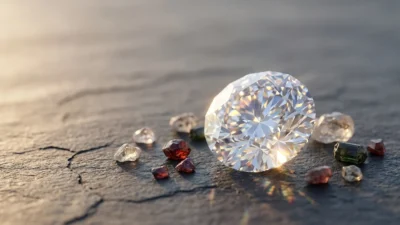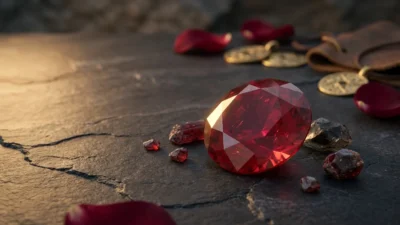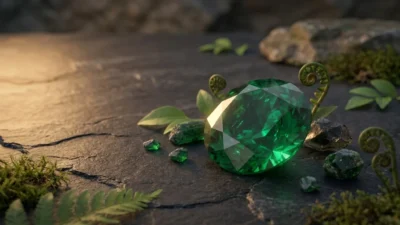
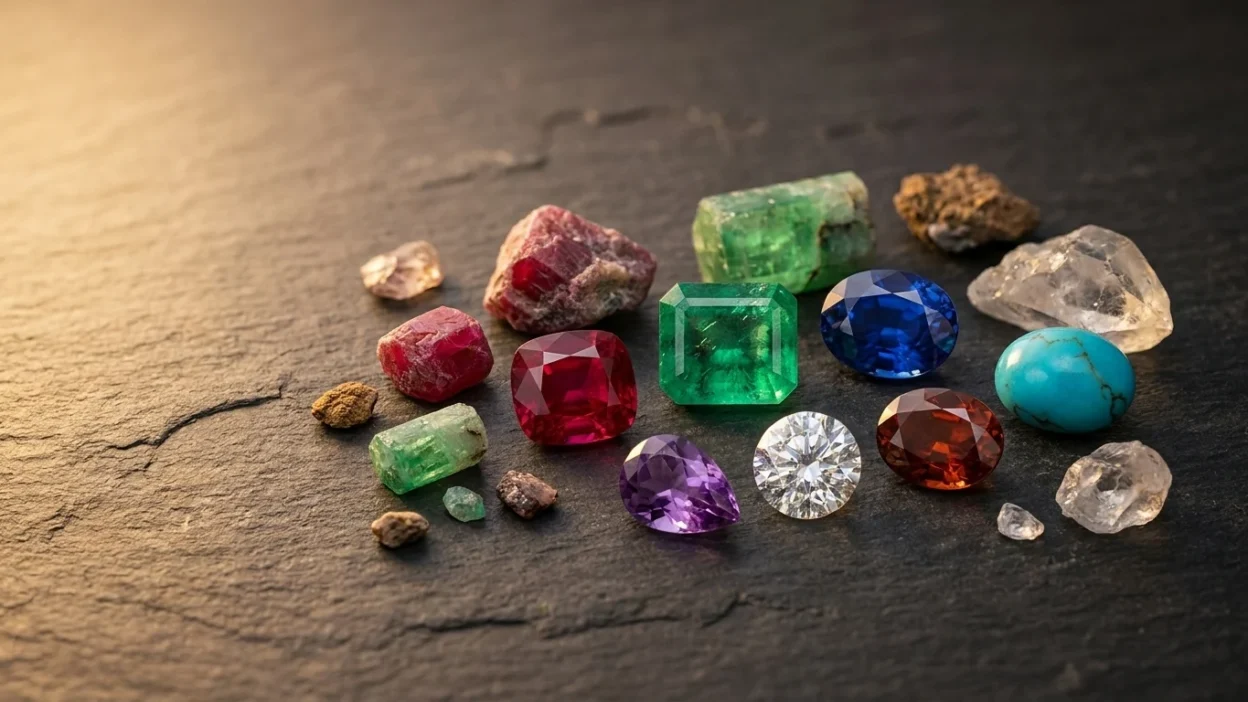
Gemstone symbolism connects precious and semi-precious stones with qualities such as protection, wisdom, love, strength, healing, prosperity, and spiritual growth. For thousands of years, people have admired gemstones not only for their beauty and rarity but also for the meanings attached to their colors, origins, and natural forms.
A gemstone can become a personal reminder of a quality someone wants to develop or preserve. A ruby may evoke passion and courage, while an emerald can suggest renewal and growth. Amethyst is often associated with calmness and spirituality, while sapphire can represent wisdom and truth.
Although gemstone meanings vary between cultures and traditions, they share an important idea: something formed deep within the earth can become a symbol of qualities developing within us. This makes gemstones meaningful in jewelry, religious traditions, ceremonies, art, personal rituals, and dreams.
Gemstone Symbolism Meaning (Clear Definition)
Gemstone symbolism is the practice of associating natural stones with particular qualities, emotions, spiritual ideas, cultural beliefs, and personal meanings.
These associations may come from a gemstone’s color, rarity, physical characteristics, historical use, cultural traditions, mythology, or religious symbolism. There is no universal meaning for every gemstone, and interpretations can change across different societies.
Common themes found in gemstone symbolism include:
- Protection – creating a symbolic sense of safety and security.
- Love – representing affection, passion, loyalty, and commitment.
- Wisdom – connecting stones with knowledge and insight.
- Strength – symbolizing courage, endurance, and resilience.
- Healing – representing restoration and emotional renewal.
- Prosperity – associating rare stones with abundance and success.
- Spirituality – representing contemplation, faith, awareness, and inner growth.
- Transformation – reflecting personal change and development.
Gemstones can therefore have both shared cultural meanings and deeply personal significance.
| Gemstone | Common Symbolic Associations |
|---|---|
| Ruby | Passion, courage, vitality, love |
| Sapphire | Wisdom, truth, loyalty, clarity |
| Emerald | Growth, renewal, harmony, hope |
| Amethyst | Spirituality, calmness, reflection |
| Diamond | Strength, commitment, purity, endurance |
| Garnet | Passion, energy, devotion |
| Turquoise | Protection, communication, healing |
| Opal | Creativity, imagination, transformation |
What Does Gemstone Symbolism Represent?
Gemstone symbolism represents a wide range of human qualities. The specific meaning often depends on the individual stone, its color, and the cultural tradition surrounding it.
Love and Commitment
Gemstones have been used in engagement rings, wedding jewelry, anniversary gifts, and other expressions of affection for centuries.
Diamonds are especially associated with commitment and enduring relationships in modern Western culture. Rubies can represent passion, while certain colored gemstones may be chosen simply because their appearance has personal meaning.
A gemstone given as a gift can therefore represent more than beauty. It may become a physical reminder of a relationship or important life moment.
Protection and Safety
Many cultures have attributed protective qualities to particular stones. Amulets and talismans containing gemstones have been used as symbolic objects intended to guard against misfortune or provide spiritual reassurance.
Turquoise, for example, has been associated with protection in several cultural traditions. However, such beliefs are cultural or spiritual traditions rather than scientifically established effects.
Symbolically, wearing a protective gemstone can represent a person’s desire to feel secure, grounded, and prepared.
Wisdom and Clarity
Blue gemstones are frequently associated with wisdom, truth, calmness, and clarity. Sapphire is a prominent example.
The connection may partly come from the color blue itself, which is often culturally associated with the sky, water, depth, and tranquility.
As a symbol, a blue gemstone can serve as a reminder to think carefully, communicate honestly, and seek a clearer understanding before making important decisions.
Strength and Resilience
Some gemstones are valued for their physical hardness and durability. Diamond, for example, is famous for its exceptional hardness and has consequently become a powerful cultural metaphor for strength and endurance.
The symbolic lesson is straightforward: qualities that withstand pressure can become especially valuable.
Gemstone symbolism can therefore represent resilience—the ability to remain strong while facing difficult circumstances.
Growth and Transformation
Emeralds and other green stones are often connected with nature, renewal, fertility, growth, and fresh beginnings.
Because green is strongly associated with plants and spring, green gemstones can symbolize regeneration and personal development.
A gemstone may therefore become a meaningful symbol when someone begins a new chapter, changes direction, or works toward personal growth.
Spiritual Meaning of Gemstone Symbolism
Spiritually, gemstone symbolism is often associated with inner awareness, protection, meditation, healing, transformation, wisdom, and connection with something greater than oneself.
Many spiritual traditions use stones as objects for contemplation or personal ritual. The stone may serve as a physical focal point, helping someone concentrate on a particular intention or quality.
For example, someone may keep amethyst nearby as a personal reminder of calmness and reflection. Another person may choose a clear quartz crystal because its transparent appearance represents clarity or simplicity.
These practices can have personal or religious significance, but symbolic associations should not be confused with scientifically demonstrated healing properties.
The deeper spiritual value of a gemstone can come from what it represents to the person using it.
Gemstone symbolism can encourage people to reflect on questions such as:
- What quality do I want to develop?
- What experience do I want to remember?
- What values do I want to protect?
- What kind of change am I experiencing?
- What helps me remain grounded during uncertainty?
In this sense, the gemstone becomes a symbolic anchor.
Its physical permanence can remind someone of an intention even when emotions and circumstances change.
Biblical / Religious Meaning of Gemstone Symbolism
Gemstones have meaningful appearances in biblical and religious traditions, although their interpretations differ according to the specific text and tradition.
In the Bible, precious stones appear in descriptions of sacred objects, priestly garments, treasures, and visionary imagery. The breast piece associated with the high priest, described in Exodus, contains a collection of precious stones representing the teams of Israel.
Gemstones also appear in the book of Revelation, particularly in descriptions of the heavenly city. These passages use precious materials and stones to communicate ideas of glory, beauty, holiness, and extraordinary value.
One of the most important biblical ideas associated with precious objects is that physical beauty can point toward something considered spiritually significant.
However, the Bible does not provide a simple universal list stating that every modern gemstone has one fixed spiritual meaning. Specific interpretations depend on the passage, translation, historical context, and religious tradition.
Other religions and cultures have developed their own relationships with gemstones. Stones may appear in devotional objects, ceremonial jewelry, protective amulets, or sacred art.
For this reason, gemstone symbolism is best understood as a diverse collection of traditions rather than one universal belief system.
Gemstone Symbolism in History and Culture
Gemstones have fascinated human societies for thousands of years. Their rarity, durability, unusual colors, and natural beauty made them valuable long before modern jewelry industries existed.
Ancient civilizations used gemstones in crowns, seals, necklaces, rings, sculptures, ceremonial objects, and burial goods.
In ancient Egypt, colored stones and minerals were used extensively in jewelry and decorative objects. Certain materials were associated with protection, status, and religious ideas.
In South Asia, gemstones became connected with elaborate jewelry traditions and, in some systems of belief, planetary or astrological associations.
In China and other parts of East Asia, jade developed enormous cultural importance. Although jade is technically a mineral material rather than a single gemstone species, it became strongly associated with virtues such as purity, harmony, status, and moral character.
Across medieval and early modern Europe, gemstones were incorporated into royal regalia and religious objects. Their rarity made them signs of wealth and authority, while their presence in sacred objects gave them additional symbolic importance.
Color has consistently influenced gemstone meanings. Red often suggests passion or vitality, green suggests growth, and blue can evoke wisdom or tranquility. These associations are not universal, but they appear repeatedly across different symbolic systems.
Gemstone Symbolism in Literature and Art
Gemstones have played a major role in literature, poetry, painting, sculpture, fashion, and decorative art.
Writers often use jewels as symbols of beauty, wealth, temptation, desire, identity, power, or hidden value.
A precious stone can represent something a character desperately wants, but literature frequently explores the difference between material value and true human worth.
Diamonds, rubies, pearls, emeralds, and other gems often appear in stories because their physical qualities naturally support metaphor. A brilliant stone can represent beauty or hope, while a rare jewel may symbolize something difficult to obtain.
Artists have similarly used gemstones to communicate wealth and status. Portraits of rulers and aristocrats often feature elaborate jewelry, allowing gemstones to function as visual symbols of authority.
Religious art also uses precious stones to suggest heavenly beauty and sacred importance.
Modern fashion and photography continue this tradition. Gemstones can communicate elegance, individuality, romance, luxury, or personal identity depending on the setting.
The enduring artistic appeal of gemstones comes partly from their ability to combine physical beauty with symbolic depth.
Dream Meaning of Gemstone Symbolism
Dreaming about gemstones can symbolize personal value, hidden potential, emotional desires, wisdom, opportunity, transformation, or something you consider precious.
The type of gemstone and the emotions experienced in the dream can influence its possible interpretation.
Finding a gemstone may symbolize discovering an overlooked talent, opportunity, strength, or insight within yourself.
Receiving a gemstone as a gift may represent appreciation, love, recognition, or something valuable being offered to you.
Wearing gemstone jewelry may reflect confidence, identity, self-worth, or a desire to express an important part of yourself.
Losing a gemstone may symbolize fear of losing something precious, such as a relationship, opportunity, personal confidence, or cherished memory.
A broken gemstone may represent disappointment or a change in how you view something that once seemed valuable.
A collection of gemstones may symbolize accumulated experiences, talents, relationships, or achievements.
A glowing gemstone can represent hope, inspiration, spiritual awareness, or an important realization.
The color may also influence the dream’s symbolism. A red stone may evoke passion or courage, while a green stone may suggest renewal and growth.
Dream interpretation is personal rather than predictive. The strongest clues usually come from the emotions you experienced and the circumstances surrounding the dream.
Modern Meaning of Gemstone Symbolism
Today, gemstones remain powerful symbols of identity, love, self-expression, milestones, beauty, resilience, and personal meaning.
People often choose birthstones, engagement stones, anniversary gems, or particular crystals because they connect with a personal story.
A gemstone can mark a significant moment in life. It may represent a marriage, graduation, achievement, new beginning, friendship, or remembrance of someone important.
Modern gemstone symbolism has also become more individualistic. Instead of following one traditional meaning, people often choose stones according to their personal experiences and aesthetic preferences.
Social media and popular wellness culture have increased interest in crystal symbolism, including ideas about energy, intention, and emotional balance. These beliefs can be personally meaningful, but claims that gemstones can medically treat diseases or objectively alter a person’s health are not established simply by symbolic tradition.
There is also a growing awareness of the ethical side of gemstones. Questions about mining, labor practices, environmental impact, and responsible sourcing have become part of how people think about valuable stones.
This adds another layer to modern symbolism. A beautiful gemstone can represent not only personal value but also thoughtful choices about how valuable materials are obtained.
Ultimately, modern gemstone symbolism is less about possessing something rare and more about what that object means to the person who chooses it.
Frequently Asked Questions About Gemstone Symbolism
What is the main meaning of gemstone symbolism?
Gemstone symbolism commonly represents qualities such as love, protection, wisdom, strength, healing, prosperity, spirituality, and transformation. The exact meaning varies according to the gemstone and cultural tradition.
What do gemstones symbolize spiritually?
Spiritually, gemstones may symbolize inner growth, protection, clarity, meditation, intention, wisdom, and transformation. Their meaning often comes from personal or cultural beliefs rather than universal rules.
What gemstone symbolizes love?
Ruby is traditionally associated with passion and love, while diamonds are strongly associated with commitment and enduring relationships in modern engagement traditions. Other gemstones can also symbolize love depending on culture and personal meaning.
What gemstone symbolizes protection?
Turquoise has protective associations in several cultural traditions, while other stones are also used symbolically as protective amulets. These are traditional beliefs rather than scientifically established protective effects.
What does finding a gemstone in a dream mean?
Finding a gemstone in a dream may symbolize discovering hidden potential, personal value, wisdom, an opportunity, or something meaningful in your life. The dream’s emotional context can help determine which interpretation feels most relevant.
Conclusion
Gemstone symbolism transforms natural beauty into a language of human meaning. Across cultures and generations, gemstones have represented love, wisdom, protection, strength, prosperity, transformation, and spiritual growth.
Their deepest symbolism may come from the qualities people recognize in them: rarity, endurance, color, brilliance, and the long processes through which they form. A gemstone can therefore serve as more than decoration—it can become a reminder of what we value, what we have overcome, and what we hope to become.

Myla Leah is a passionate writer at BibloSign.com who explores symbol meanings, spiritual symbolism, cultural traditions, and historical interpretations, helping readers uncover the deeper significance behind symbols from around the world.