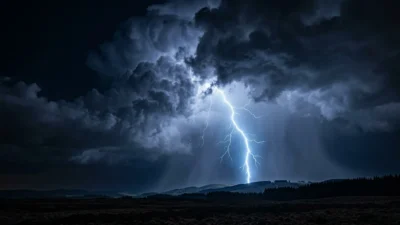
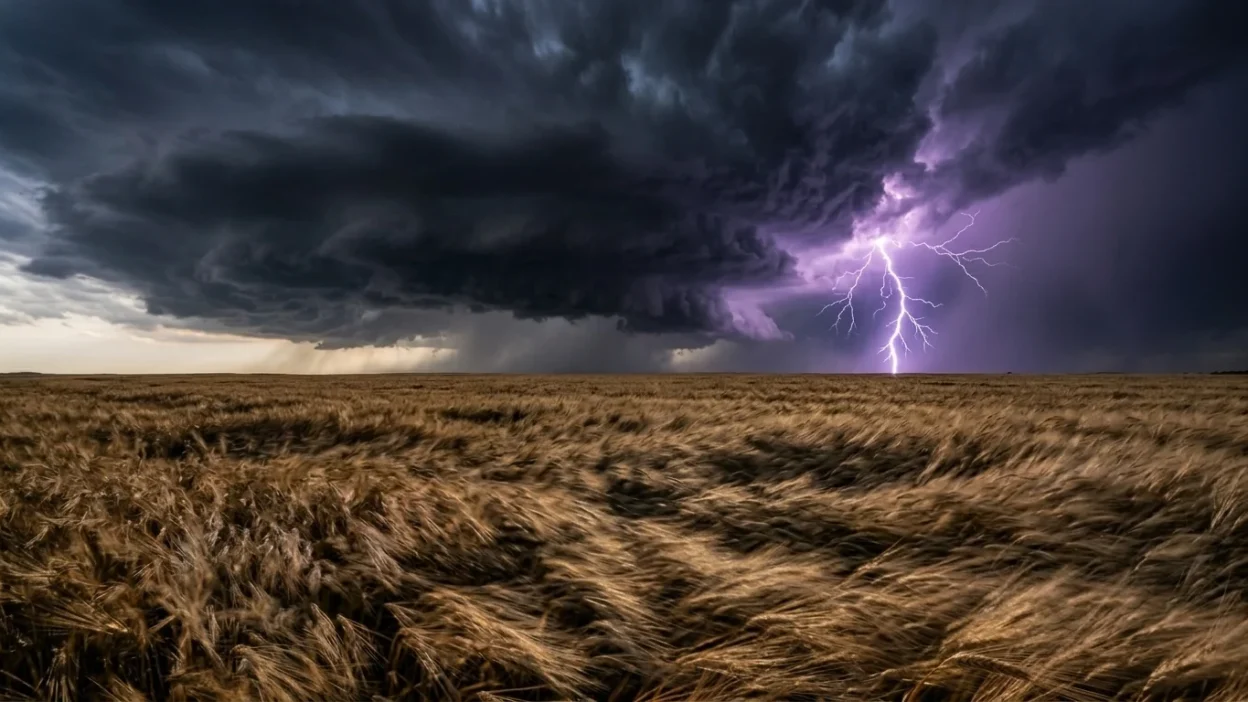
There’s something undeniably intense about a storm rolling in. The darkening sky, the sudden wind, the crack of thunder — it all commands attention in a way few other natural events can. That raw power is exactly why storm symbolism has held such deep meaning across cultures and centuries, representing upheaval, release, and transformative strength. Because storms clear the air and reshape the landscape, they remain one of nature’s most powerful symbols of necessary, sometimes turbulent change.
If you’ve ever wondered why storms feel so emotionally and spiritually significant, this guide will walk you through everything this dramatic force of nature truly represents.
Storm Meaning (Clear Definition)
At its core, the storm symbolizes upheaval, release, and powerful transformation. Because it disrupts calm before eventually clearing, a storm represents the idea that intense challenges often lead to renewal on the other side.
Here’s a quick overview of its core symbolic meaning:
| Symbolic Element | Meaning |
|---|---|
| Dark Clouds | Emotional intensity, warning |
| Thunder and Lightning | Power, sudden change |
| Heavy Rain | Release, emotional cleansing |
| Strong Winds | Disruption, forced movement |
| Calm After the Storm | Peace, renewal, clarity |
Because storms build intensity before eventually passing, their symbolism often reflects the idea that difficult moments are temporary, even when they feel overwhelming.
What Does the Storm Represent?
Overall, storm symbolism touches on several meaningful and intense themes:
- Upheaval and disruption – reflecting sudden, unavoidable change
- Emotional release – often tied to built-up tension finally breaking free
- Power and intensity – representing raw, uncontrollable force
- Transformation – clearing the way for renewal and growth
- Warning and caution – signaling the need for preparation or awareness
- Resilience – the ability to endure hardship and emerge stronger
Together, these themes highlight why storms continue to be seen as one of nature’s most emotionally charged symbols of both destruction and renewal.
Spiritual Meaning of the Storm
Spiritually, the storm represents emotional release, inner turmoil, and necessary transformation. Because it disrupts stillness before eventually clearing, a storm is often associated with the process of moving through hardship toward renewal.
More specifically, the spiritual meaning of the storm often includes:
- Releasing suppressed emotions or built-up tension
- Facing challenges as part of personal growth
- Trusting that difficult periods will eventually pass
- Emerging stronger and clearer after emotional turbulence
Many spiritual traditions view storms as a necessary part of transformation, believing that clarity and peace often follow periods of intense emotional or spiritual upheaval.
Biblical and Religious Meaning of the Storm
In many religious texts, storms hold deep symbolic significance tied to divine power, testing, and spiritual awakening.
In biblical and religious interpretations, storms are often associated with:
- Divine power, demonstrating the might and majesty of a higher force
- Testing of faith, representing trials that strengthen belief
- Warning or judgment, symbolizing consequences or necessary correction
- Calm following the storm, reflecting peace after spiritual struggle
Because storms so consistently represent both power and eventual peace, they remain deeply significant across major religious traditions.
Storm Symbolism in History and Culture
Throughout history, storms have carried diverse and powerful cultural meaning.
- Ancient mythology – Storms were often attributed to powerful gods, such as Zeus or Thor, symbolizing divine wrath and authority.
- Maritime traditions – Sailors viewed storms as tests of courage and skill, symbolizing both danger and resilience.
- Indigenous cultures – Storms were frequently seen as messages from ancestors or nature spirits, symbolizing necessary change.
- Modern symbolism – Storms continue to represent emotional intensity and the strength required to endure difficult circumstances.
Across these cultures, storms consistently represent power, testing, and a meaningful connection between hardship and eventual renewal.
Storm Symbolism in Literature and Art
In literature, storms often symbolize conflict, emotional turmoil, or a turning point within a story. Writers frequently use storm imagery to represent a character’s internal struggle, foreshadow dramatic change, or intensify moments of tension.
Similarly, in visual art, storms hold significant symbolic weight:
- Representing raw emotion and dramatic intensity in expressive paintings
- Symbolizing conflict and power in classical and mythological artwork
- Creating striking contrast and mood within landscape compositions
- Reflecting themes of transformation and resilience in symbolic imagery
Because of their intense, dramatic nature, storms continue to be a favorite artistic tool for conveying emotional depth and powerful transformation.
Dream Meaning of the Storm
When a storm appears in dreams, it often carries emotionally intense symbolism. Common interpretations include:
- A distant storm – anticipated change or emotional tension building
- Being caught in a storm – feeling overwhelmed by circumstances
- Thunder and lightning – sudden realizations or powerful emotional release
- Surviving a storm – resilience and personal strength through hardship
- Calm skies after a storm – emotional relief, clarity, or resolution
Therefore, these dreams often reflect your emotional state, particularly around stress, transformation, and the strength needed to move through challenges.
Modern Meaning of the Storm
Today, storm symbolism continues to represent resilience, emotional release, and necessary transformation. In contemporary culture, storms serve as a reminder to:
- Allow yourself to process intense emotions rather than suppress them
- Trust that difficult seasons of life are temporary
- Embrace challenges as opportunities for growth and strength
- Find peace and clarity on the other side of hardship
Because of their powerful and transformative nature, storms remain a popular symbol in personal growth, mindfulness practices, and creative expression, reinforcing their modern identity as a symbol of resilience and renewal.
Frequently Asked Questions
What does a storm symbolize?
A storm symbolizes upheaval, emotional release, and transformation, largely due to its intense yet temporary nature.
What is the spiritual meaning of a storm?
Spiritually, a storm represents emotional release and necessary transformation, often symbolizing growth through hardship and eventual clarity.
What does it mean to dream about a storm?
Dreaming about a storm often reflects emotional intensity, stress, or a significant challenge you’re currently facing or processing.
Why are storms associated with testing and challenges?
Storms symbolize disruption and difficulty, making them a natural metaphor for life’s trials and the resilience needed to overcome them.
Does a storm always symbolize something negative?
Not entirely—while storms represent intensity and disruption, they also symbolize necessary release and the renewal that follows difficult moments.
Conclusion
Ultimately, storm symbolism beautifully reflects the balance between hardship and renewal. Representing upheaval, emotional release, and resilience, this powerful force of nature reminds us that even the most intense moments eventually give way to calm and clarity.

Myla Leah is a passionate writer at BibloSign.com who explores symbol meanings, spiritual symbolism, cultural traditions, and historical interpretations, helping readers uncover the deeper significance behind symbols from around the world.