
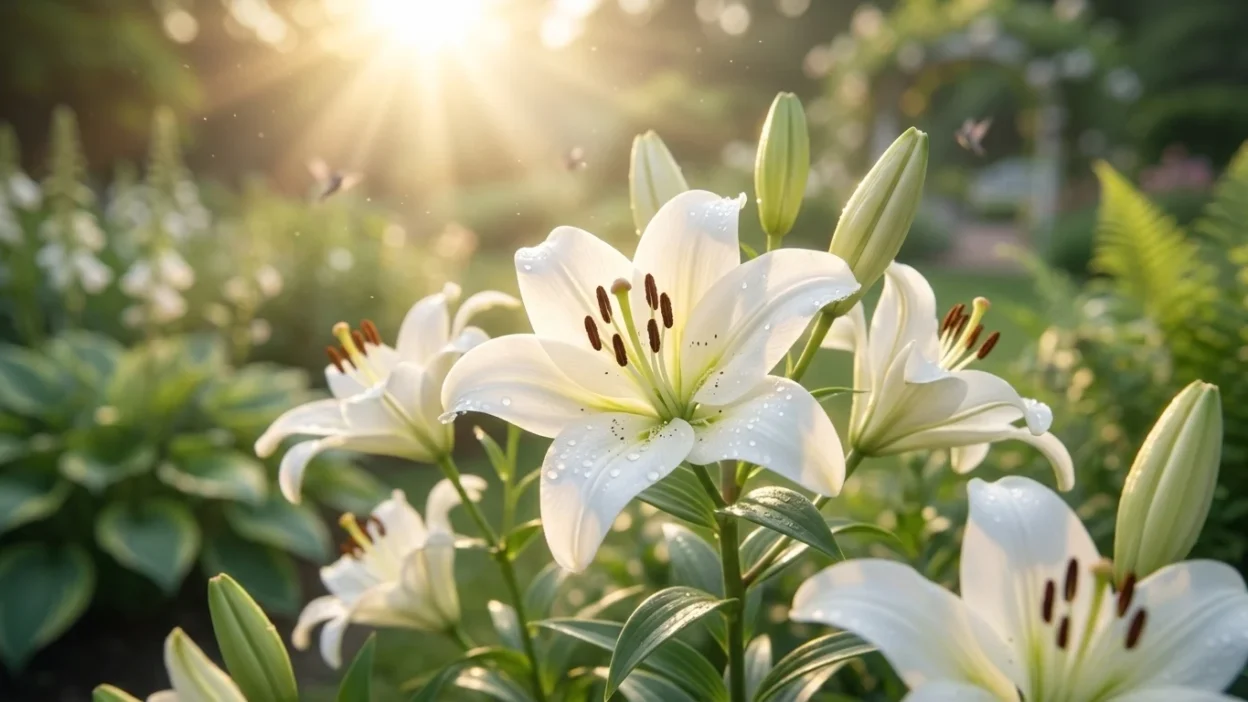
Few flowers carry the same grace and quiet majesty as the lily. With its tall stem and elegant, trumpet-shaped petals, this flower has been admired for centuries — not just for its beauty, but for its meaning. Lily symbolism touches on purity, renewal, devotion, and spiritual transformation, making it one of the most emotionally rich flowers across cultures and traditions.
Whether you’ve received a lily as a gift, spotted one in a dream, or simply want to understand its deeper meaning, this guide will walk you through everything the lily represents.
Lily Meaning (Clear Definition)
At its core, the lily symbolizes purity, renewal, and devotion. Its clean white petals and graceful form have made it a universal symbol of innocence and new beginnings.
Here’s a quick overview of its core symbolic meaning:
| Symbolic Aspect | Meaning |
|---|---|
| White Color | Purity, innocence, peace |
| Tall, Upright Stem | Confidence, dignity |
| Trumpet Shape | Announcement, awakening |
| Fragrant Bloom | Spiritual elevation |
| Growth from Bulb | Rebirth, transformation |
Because lilies often bloom after a period of dormancy, they’re closely tied to themes of renewal, hope, and life beginning anew.
What Does the Lily Represent?
Lily flower meaning varies slightly depending on color and context, but several core themes remain consistent:
- Purity and innocence – especially associated with white lilies
- Devotion and commitment – often given to symbolize deep loyalty
- Renewal and rebirth – linked to its cycle of blooming
- Motherhood and femininity – tied to grace and nurturing energy
- Majesty and elegance – reflected in its refined shape and posture
This blend of purity and strength is part of what makes the lily such a powerful and versatile symbol.
Spiritual Meaning of the Lily
Spiritually, the lily is often seen as a symbol of transformation and enlightenment. Its journey from a hidden bulb to a radiant bloom mirrors the soul’s path toward growth and awakening.
The spiritual meaning of the lily often includes:
- A reminder that beauty often follows periods of struggle or stillness
- Encouragement to embrace personal transformation
- A symbol of clarity, peace, and spiritual awakening
- Represents the soul rising above material distractions
Many spiritual traditions view the lily as a gentle reminder that growth takes time — but the result is always worth the wait.
Biblical and Religious Meaning of the Lily
The lily holds significant meaning in religious and biblical traditions, particularly within Christianity. It is often associated with purity, resurrection, and divine grace.
In Christian symbolism, the lily is commonly linked to:
- The purity and grace of the Virgin Mary
- Christ’s resurrection and eternal life
- Divine provision, referencing the biblical phrase about lilies neither toiling nor spinning yet being clothed in beauty
Because of these associations, lilies are frequently used in religious ceremonies, especially during Easter, symbolizing hope, renewal, and spiritual rebirth.
Lily Symbolism in History and Culture
Throughout history, the lily has held deep cultural significance across civilizations.
- Ancient Greece associated lilies with motherhood and divine femininity, often linking them to goddesses.
- Ancient Egypt viewed lilies as a symbol of fertility and rebirth.
- French royalty used the fleur-de-lis, inspired by the lily, as a symbol of purity, monarchy, and honor.
- Asian cultures often associate lilies with good fortune, motherhood, and emotional harmony.
Across these varied cultures, the lily consistently represents elegance, purity, and a connection to higher ideals.
Lily Symbolism in Literature and Art
In literature, lilies are frequently used to symbolize innocence, beauty, and moral purity. Writers often use the flower to represent characters or moments defined by grace, honesty, or emotional renewal.
In art, lilies are commonly depicted to represent:
- Purity and divine grace, especially in religious paintings
- Feminine elegance and beauty
- Peaceful, serene settings
- Themes of mourning and remembrance, particularly white lilies
This dual symbolism — purity paired with quiet strength — makes the lily a favorite subject across creative works.
Dream Meaning of the Lily
Dreaming about lilies is often considered a positive and meaningful symbol. Common interpretations include:
- White lilies – purity, peace, or a fresh emotional start
- Blooming lilies – personal growth or a new chapter in life
- Wilted lilies – unresolved emotions or the end of a life phase
- Receiving lilies – recognition, love, or emotional support from others
- Fields of lilies – abundance, spiritual clarity, or inner peace
These dreams often reflect a person’s emotional state, especially around themes of renewal, clarity, or moving forward.
Modern Meaning of the Lily
In today’s world, lily symbolism continues to represent elegance, emotional depth, and personal transformation. Modern interpretations often highlight:
- A symbol of quiet confidence and grace under pressure
- A reminder that growth often follows periods of stillness
- An emblem of emotional resilience and inner peace
- A meaningful gift for both celebrations and moments of comfort
This versatility is why lilies remain popular for weddings, sympathy arrangements, and personal milestones alike — they honor both joy and reflection.
Frequently Asked Questions
What does a lily flower symbolize?
A lily generally symbolizes purity, renewal, and devotion, with white lilies specifically representing innocence and peace.
What does it mean when someone gives you lilies?
Receiving lilies often reflects deep respect, admiration, or emotional support, depending on the occasion and color.
Why are lilies associated with funerals?
Lilies symbolize the restored innocence of the soul and are often used at funerals to represent peace and the hope of eternal life.
What is the spiritual meaning of a blooming lily?
A blooming lily often represents personal transformation, spiritual awakening, and the emergence of clarity after a period of struggle.
Do different lily colors have different meanings?
Yes, white lilies symbolize purity, yellow lilies represent joy, and orange lilies often signify confidence and passion.
Conclusion
Lily symbolism beautifully captures the balance between purity and strength, reminding us that true growth often emerges from stillness and quiet resilience. Whether given as a gift or admired in nature, the lily continues to represent renewal, grace, and the timeless beauty of transformation.

Myla Leah is a passionate writer at BibloSign.com who explores symbol meanings, spiritual symbolism, cultural traditions, and historical interpretations, helping readers uncover the deeper significance behind symbols from around the world.