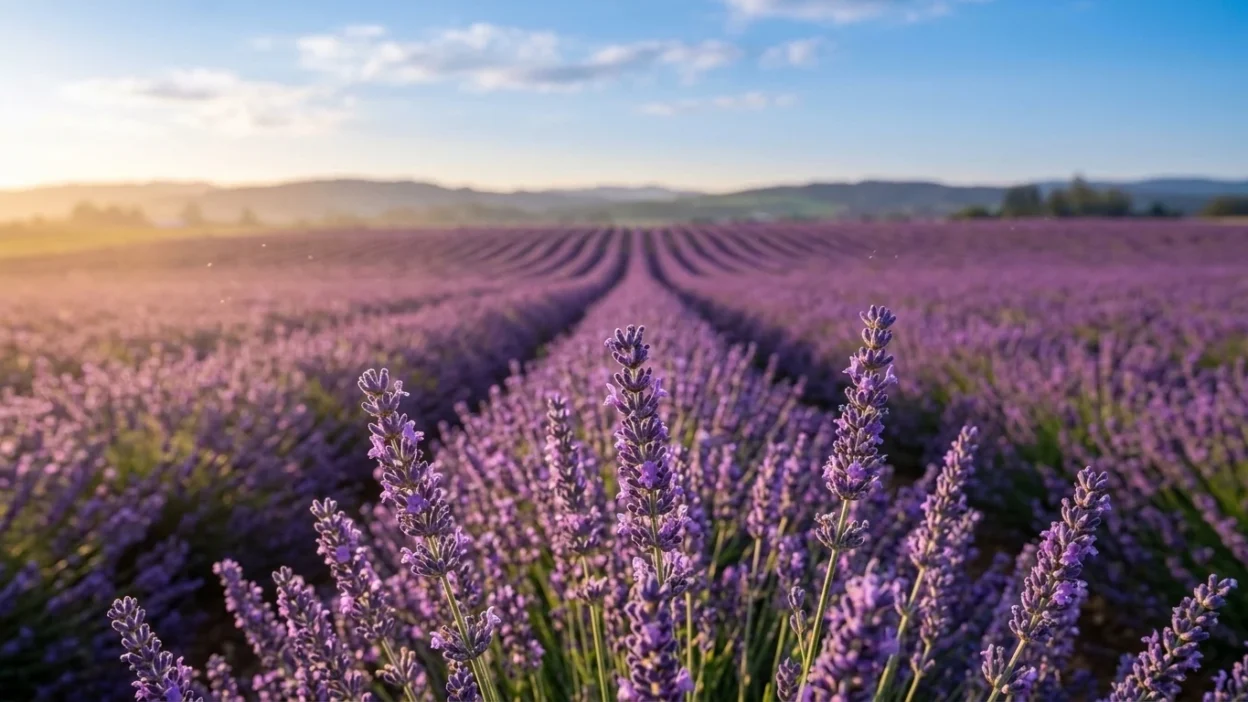
There’s a reason the soft scent and gentle purple hue of lavender instantly bring a sense of calm. This isn’t just about aromatherapy or garden beauty — lavender symbolism runs deep, representing peace, grace, and quiet devotion. Across centuries and cultures, this delicate flower has been treasured for its ability to soothe the mind while carrying rich spiritual and emotional meaning.
If you’ve ever wondered why lavender feels so special beyond its calming fragrance, this guide will walk you through everything this beloved flower truly symbolizes.
Lavender Meaning (Clear Definition)
At its core, lavender symbolizes calmness, purity, and grace. Its soft purple color and soothing fragrance have made it a timeless symbol of peace and emotional balance.
Here’s a quick overview of its core symbolic meaning:
| Symbolic Element | Meaning |
|---|---|
| Purple Color | Calm, elegance, spirituality |
| Soothing Fragrance | Peace, relaxation, healing |
| Delicate Blooms | Grace, gentleness |
| Long Stalks | Devotion, steadiness |
| Drought Resistance | Resilience, quiet strength |
This blend of gentle beauty and inner strength is part of why lavender continues to be cherished across gardens, homes, and spiritual practices.
What Does Lavender Represent?
Lavender flower meaning touches on several meaningful themes:
- Calmness and serenity – tied closely to its well-known relaxing fragrance
- Purity and grace – reflected in its soft, elegant appearance
- Devotion and loyalty – historically associated with faithful love
- Healing and comfort – used for centuries in natural remedies
- Spiritual awareness – linked to mindfulness and inner peace
- Quiet resilience – thriving even in dry, challenging conditions
This mix of gentle calm and steady strength makes lavender a symbol of balance between softness and endurance.
Spiritual Meaning of Lavender
Spiritually, lavender is closely tied to peace, clarity, and emotional healing. Its calming aroma has long been associated with meditation, mindfulness, and spiritual cleansing.
The spiritual meaning of lavender often reflects:
- A calm and clear mind, free from anxiety or stress
- Protection from negative energy
- Emotional healing and release
- A deeper connection to intuition and inner peace
Many spiritual practices use lavender to create a peaceful atmosphere, believing it helps clear mental clutter and invite tranquility into both mind and space.
Biblical and Religious Meaning of Lavender
While lavender isn’t frequently named in scripture, some historians believe it may be connected to “spikenard,” a fragrant plant mentioned in biblical texts and associated with devotion and purification.
In religious interpretations, lavender is often linked to:
- Purity and spiritual cleansing
- Devotion and sincere faith
- Healing, both physical and spiritual
- Anointing and sacred rituals in ancient traditions
Because of its calming and purifying qualities, lavender has often been associated with acts of humility, prayer, and spiritual devotion throughout religious history.
Lavender Symbolism in History and Culture
Lavender has held cultural and historical significance across many civilizations.
- Ancient Egypt – Lavender was used in mummification and perfumes, symbolizing purity and preservation.
- Roman and Greek traditions – Lavender was used in bathing rituals, symbolizing cleanliness and relaxation.
- Victorian England – Lavender became associated with elegance, devotion, and quiet romantic affection.
- French Provence – Lavender fields became a national symbol of natural beauty, tranquility, and rural charm.
Across these cultures, lavender consistently represents purity, healing, and peaceful devotion.
Lavender Symbolism in Literature and Art
In literature, lavender is often used to symbolize grace, nostalgia, and quiet emotional depth. Writers frequently use lavender fields or scents to evoke a peaceful, dreamlike atmosphere.
In visual art, lavender is commonly used to represent:
- Serenity and softness through pastel purple tones
- Feminine elegance and gentle strength
- Romantic nostalgia, especially in countryside imagery
- A calming visual balance in floral compositions
Its soothing color palette continues to make lavender a favorite artistic symbol for peace and quiet beauty.
Dream Meaning of Lavender
Dreaming about lavender is often seen as a comforting and positive sign. Common interpretations include:
- Blooming lavender fields – peace, emotional balance, and happiness
- Smelling lavender – a need for relaxation or emotional healing
- Receiving lavender – comfort, support, or gentle affection from others
- Wilting lavender – emotional exhaustion or a need for self-care
- Planting lavender – personal growth and a desire for inner peace
These dreams often reflect your emotional state, particularly around stress relief, healing, and the need for calm.
Modern Meaning of Lavender
Today, lavender symbolism continues to represent relaxation, self-care, and emotional balance. In a fast-paced world filled with stress, lavender serves as a gentle reminder to:
- Slow down and prioritize mental well-being
- Create calm, peaceful spaces in daily life
- Embrace gentleness without losing inner strength
- Practice mindfulness and emotional self-care
Widely used in wellness products, aromatherapy, and home décor, lavender remains a modern symbol of tranquility and balanced living.
Frequently Asked Questions
What does lavender symbolize?
Lavender symbolizes calmness, purity, and grace, largely due to its soothing fragrance and soft purple color.
What does lavender mean spiritually?
Spiritually, lavender represents peace, emotional healing, and protection from negative energy, often used in meditation and mindfulness practices.
What does it mean to dream about lavender?
Dreaming about lavender often reflects a need for relaxation, emotional healing, or a desire for peace in your waking life.
Why is lavender associated with relaxation?
Lavender’s natural fragrance has calming properties that have been used for centuries in aromatherapy to reduce stress and promote restful sleep.
What does lavender symbolize in relationships?
Lavender often represents devotion, gentleness, and quiet affection, making it a meaningful symbol of calm, steady love.
Conclusion
Lavender symbolism beautifully reflects the balance between gentle grace and quiet strength. Representing peace, healing, and devotion, this calming purple flower reminds us that true tranquility often comes from embracing both softness and resilience in life.

Miles Maverick is a content writer and symbolism enthusiast at BibloSign.com, specializing in symbol meanings, cultural interpretations, and historical symbolism, helping readers discover deeper insights behind signs, icons, and symbolic traditions.