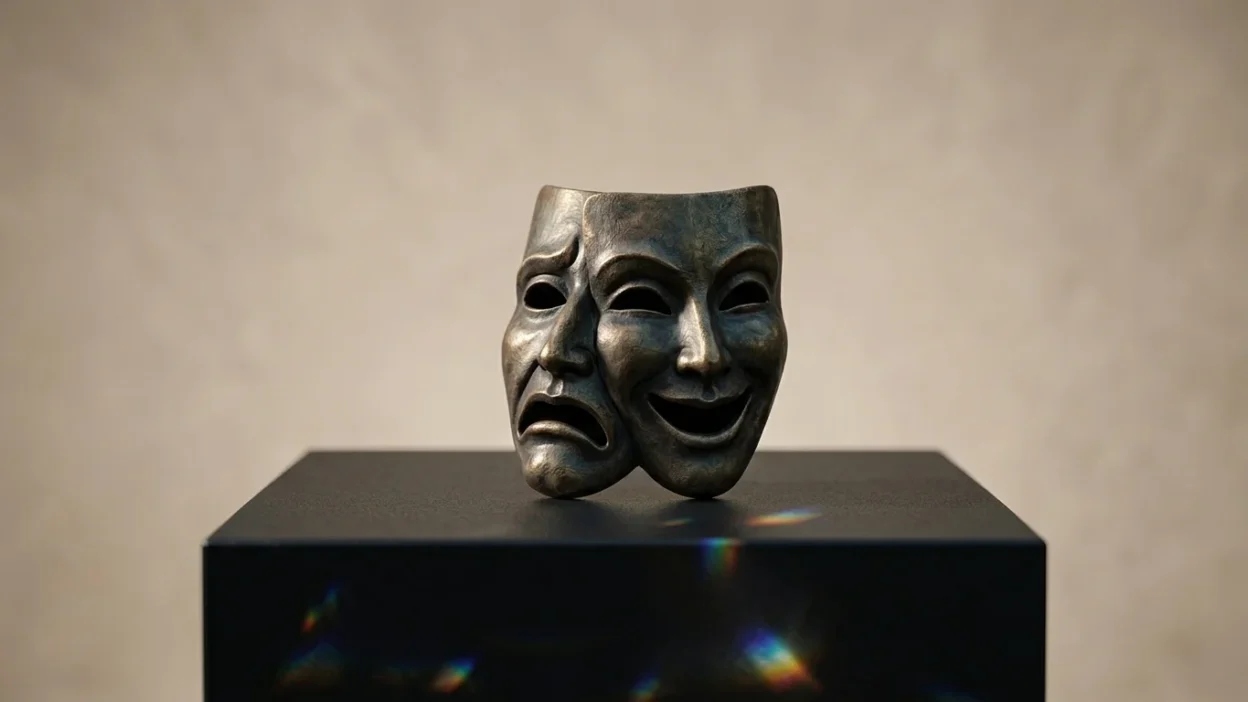
There’s something fascinating about a mask. It hides one face while revealing another, blurring the line between who we are and who we choose to show the world. That intriguing duality is exactly why mask symbolism has captivated cultures, artists, and spiritual traditions for centuries, representing identity, transformation, and protection. Because it allows both concealment and expression at the same time, the mask remains one of the most psychologically rich symbols in human history.
If you’ve ever wondered why masks feel so symbolically powerful beyond their practical or festive use, this guide will walk you through everything this timeless object truly represents.
Mask Meaning (Clear Definition)
At its core, the mask symbolizes identity, transformation, and concealment. Because it covers one’s true face while presenting another, the mask represents the space between authenticity and the persona we choose to reveal.
Here’s a quick overview of its core symbolic meaning:
| Symbolic Element | Meaning |
|---|---|
| Concealed Face | Hidden identity, privacy |
| Alternate Persona | Transformation, role-play |
| Protective Covering | Safety, defense |
| Ritual Use | Spiritual connection, power |
| Expressive Design | Emotion, storytelling |
Because the mask allows both hiding and revealing simultaneously, its symbolism often reflects the complex relationship between our true selves and the identities we present to others.
What Does the Mask Represent?
Overall, mask symbolism touches on several meaningful and layered themes:
- Identity and persona – reflecting the different roles we play in life
- Transformation – often used symbolically to become someone or something else
- Protection – shielding vulnerability or true emotions from others
- Concealment – hiding fears, insecurities, or private truths
- Ritual and spiritual connection – used historically to embody spirits or deities
- Emotional expression – representing feelings that may be difficult to show directly
Together, these themes highlight why the mask continues to be seen as one of the most symbolically rich objects representing the balance between identity and disguise.
Spiritual Meaning of the Mask
Spiritually, the mask represents transformation, protection, and connection to unseen forces. Because it allows the wearer to symbolically become something beyond their physical self, the mask is often associated with spiritual ritual and inner change.
More specifically, the spiritual meaning of the mask often includes:
- Transformation into a higher or symbolic identity during ritual practices
- Protection from negative energy or external influence
- A tool for exploring hidden or suppressed aspects of the self
- Connection to ancestral or spiritual guidance through symbolic representation
Many spiritual traditions view the mask as a powerful conduit, believing it allows individuals to step beyond their everyday identity and connect with deeper spiritual truths.
Biblical and Religious Meaning of the Mask
While masks are not frequently referenced directly in scripture, their symbolism connects to broader religious themes of concealment, truth, and inner transformation.
In religious interpretations, masks are often associated with:
- Hiding sin or dishonesty, symbolizing the concealment of one’s true nature
- The contrast between outward appearance and inner truth
- Spiritual disguise, occasionally representing deception or hidden intentions
- Transformation, reflecting the idea of shedding an old identity for renewal
Because masks so consistently symbolize the tension between truth and concealment, they remain a meaningful symbol in discussions of honesty, humility, and spiritual authenticity.
Mask Symbolism in History and Culture
Throughout history, masks have carried diverse and powerful cultural meaning.
- Ancient Greek theater – Masks were used to represent different characters and emotions, symbolizing transformation and storytelling.
- African tribal traditions – Masks often represented spirits, ancestors, or deities, used in sacred ceremonies and rituals.
- Venetian carnival traditions – Masks symbolized anonymity, freedom, and festive transformation.
- Indigenous cultures worldwide – Masks were frequently used in rituals to embody spiritual or supernatural forces.
Across these cultures, masks consistently represent transformation, protection, and a meaningful connection between identity and the unseen world.
Mask Symbolism in Literature and Art
In literature, masks often symbolize hidden identity, deception, or internal conflict within a character’s journey. Writers frequently use mask imagery to represent the difference between how a character appears and who they truly are.
Similarly, in visual art, masks hold significant symbolic weight:
- Representing transformation and storytelling in theatrical and ceremonial art
- Symbolizing duality between public persona and private truth
- Creating dramatic visual impact within symbolic and cultural compositions
- Reflecting themes of identity and concealment in modern artistic expression
Because of their expressive and transformative nature, masks continue to be a favorite artistic tool for exploring identity, emotion, and hidden truth.
Dream Meaning of the Mask
When a mask appears in dreams, it often carries introspective and revealing symbolism. Common interpretations include:
- Wearing a mask – hiding true feelings or presenting a false persona
- Removing a mask – self-discovery or revealing hidden truths
- Seeing others in masks – uncertainty about someone’s true intentions
- A broken or cracked mask – exposure of vulnerability or suppressed emotions
- Choosing a mask – exploring different aspects of identity or self-expression
Therefore, these dreams often reflect your emotional relationship with authenticity, self-protection, and personal identity.
Modern Meaning of the Mask
Today, mask symbolism continues to represent identity, self-expression, and emotional protection. In contemporary culture, the mask serves as a reminder to:
- Recognize the difference between authentic identity and social persona
- Practice honesty with oneself, even when hiding feels easier
- Use self-reflection to understand what’s truly being concealed
- Embrace vulnerability as a path toward genuine connection
Because of its deep psychological and cultural significance, the mask remains widely referenced in art, psychology, and personal development, reinforcing its modern identity as a symbol of identity and authenticity.
Frequently Asked Questions
What does a mask symbolize?
A mask symbolizes identity, transformation, and concealment, representing the space between our true selves and the personas we present to others.
What is the spiritual meaning of a mask?
Spiritually, a mask represents transformation and protection, often symbolizing a connection to deeper or unseen spiritual truths.
What does it mean to dream about a mask?
Dreaming about a mask often reflects hidden emotions, self-protection, or a need to reveal your authentic identity.
Why were masks used in ancient rituals?
Masks were often used to symbolically embody spirits, ancestors, or deities, allowing individuals to connect with sacred or supernatural forces.
Does a mask always symbolize something negative?
Not necessarily—while masks can represent concealment, they also symbolize transformation, protection, and meaningful self-expression.
Conclusion
Ultimately, mask symbolism beautifully reflects the balance between identity and concealment. Representing transformation, protection, and self-expression, the mask reminds us that true authenticity often begins with understanding what lies beneath the surface we choose to show the world.

Gabriel Santiago is a dedicated writer and symbolism researcher at BibloSign.com, passionate about exploring symbol meanings, cultural traditions, spiritual interpretations, and historical significance to help readers better understand the world of symbolism.