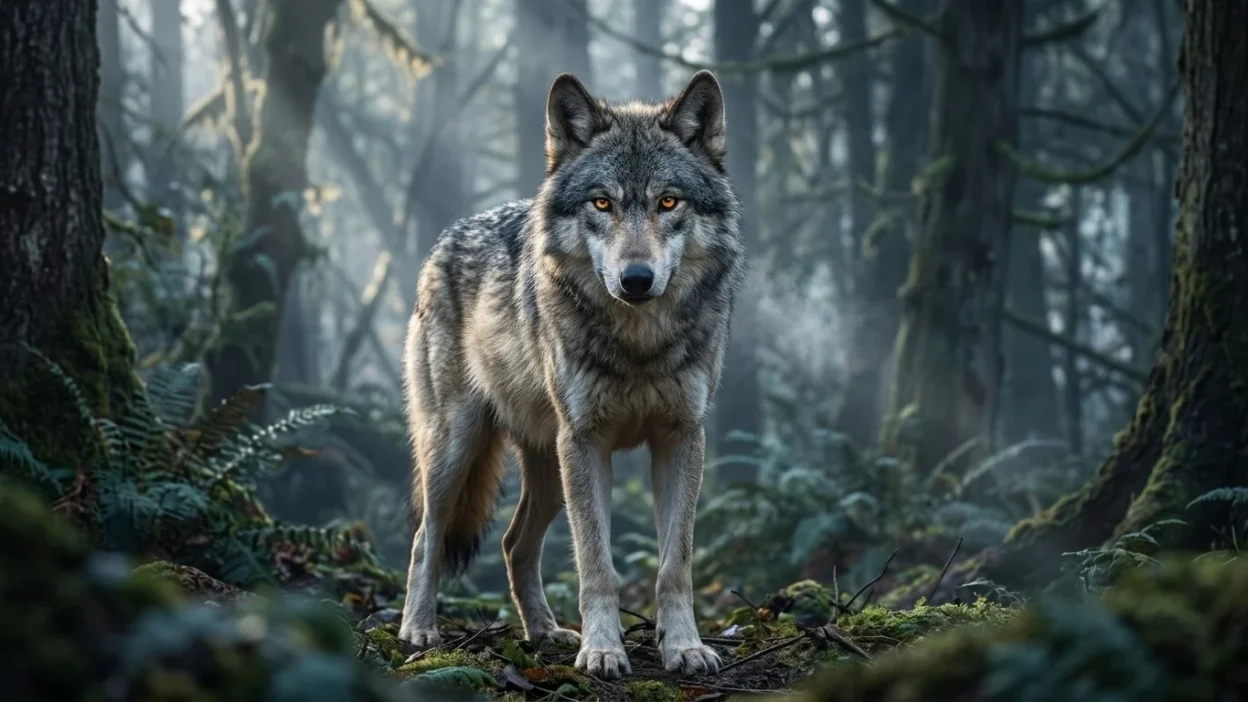
There’s a reason the sight or sound of a wolf stirs something deep and instinctive. Loyal, intelligent, and fiercely protective of its pack, this remarkable animal carries meaning that reaches far beyond its wild nature. That powerful presence is exactly why wolf symbolism has held such deep meaning across cultures and centuries, representing loyalty, instinct, and strength found in community. Because it thrives through connection and cooperation, the wolf remains one of the most inspiring symbols of family, intuition, and inner strength in nature.
If you’ve ever wondered why the wolf carries such deep meaning beyond its role as a wild predator, this guide will walk you through everything this powerful animal truly represents.
Wolf Meaning (Clear Definition)
At its core, the wolf symbolizes loyalty, instinct, and strength through community. Because it relies heavily on its pack for survival, the wolf represents both fierce independence and the deep value of connection and belonging.
Here’s a quick overview of its core symbolic meaning:
| Symbolic Element | Meaning |
|---|---|
| Pack Behavior | Loyalty, community |
| Keen Senses | Instinct, intuition |
| Howling | Communication, connection |
| Nighttime Presence | Mystery, inner wisdom |
| Protective Nature | Strength, guardianship |
Because the wolf balances independence with deep loyalty to its pack, its symbolism often reflects the idea that true strength comes from both self-reliance and meaningful connection.
What Does the Wolf Represent?
Overall, wolf symbolism touches on several meaningful and powerful themes:
- Loyalty – reflecting deep commitment to family and community
- Instinct – representing trust in intuition and inner guidance
- Strength – symbolizing resilience and protective power
- Communication – linked to connection and expressing emotion
- Independence – reflecting confidence and self-reliance
- Guardianship – representing protection of loved ones and shared purpose
Together, these themes highlight why the wolf continues to be seen as one of the most symbolically meaningful representations of loyalty and instinctual strength.
Spiritual Meaning of the Wolf
Spiritually, the wolf represents intuition, guidance, and connection to inner wisdom. Because it relies so heavily on instinct, the wolf is often associated with trusting one’s inner voice, even when logic alone doesn’t provide clear answers.
More specifically, the spiritual meaning of the wolf often includes:
- Trusting intuition during uncertain or challenging situations
- Recognizing the strength found in community and connection
- Embracing both independence and meaningful loyalty
- Awakening inner wisdom and instinctual guidance
Many spiritual traditions view the wolf as a powerful teacher, believing it represents the balance between self-trust and the deep value of belonging to something greater than oneself.
Biblical and Religious Meaning of the Wolf
In many religious texts, the wolf holds symbolic significance tied to both danger and protection, often representing complex moral lessons.
In biblical and religious interpretations, the wolf is often associated with:
- Danger or deception, occasionally symbolizing hidden threats
- Protection, when depicted as a guardian within certain narratives
- Instinct and survival, reflecting the challenges of navigating a difficult world
- Transformation, representing the journey from fear to trust through faith
Because the wolf carries such layered symbolism in religious contexts, it remains a meaningful figure for exploring both caution and protective strength.
Wolf Symbolism in History and Culture
Throughout history, wolves have carried diverse and powerful cultural meaning.
- Native American traditions – Wolves were seen as powerful teachers, symbolizing loyalty, intuition, and spiritual guidance.
- Norse mythology – Wolves represented both chaos and protection, closely tied to legendary figures and cosmic balance.
- Roman legend – The wolf became a symbol of strength and nurturing protection through the story of Romulus and Remus.
- Modern symbolic use – Wolves continue to represent loyalty, instinct, and personal empowerment.
Across these cultures, wolves consistently represent loyalty, strength, and a meaningful connection between instinct and community.
Wolf Symbolism in Literature and Art
In literature, wolves often symbolize instinct, loyalty, or a character’s journey toward embracing inner strength. Writers frequently use wolf imagery to represent both danger and protection, depending on the emotional tone of the story.
Similarly, in visual art, wolves hold significant symbolic weight:
- Representing strength and guardianship in symbolic and mythological artwork
- Symbolizing loyalty and connection in cultural compositions
- Creating dramatic tension between danger and protection in narrative imagery
- Reflecting themes of instinct and empowerment in modern design
Because of their powerful and complex symbolism, wolves continue to be a favorite artistic tool for exploring loyalty, strength, and instinctual wisdom.
Dream Meaning of the Wolf
When a wolf appears in dreams, it often carries instinctual and reflective symbolism. Common interpretations include:
- A lone wolf – independence, self-reliance, or a need for solitude
- A wolf pack – community, loyalty, or the importance of connection
- A wolf howling – communication, expression, or emotional release
- Being chased by a wolf – confronting fears or unresolved instincts
- A protective wolf – guardianship, strength, or reassurance during uncertainty
Therefore, these dreams often reflect your emotional relationship with instinct, loyalty, and personal strength.
Modern Meaning of the Wolf
Today, wolf symbolism continues to represent loyalty, instinct, and personal empowerment. In contemporary culture, the wolf serves as a reminder to:
- Trust inner intuition when making important decisions
- Value loyal relationships and meaningful community
- Embrace both independence and connection as sources of strength
- Recognize the power found in protective, purposeful action
Because of its timeless and empowering symbolism, the wolf remains widely referenced in personal development, spirituality, and cultural storytelling, reinforcing its modern identity as a symbol of loyalty and instinctual strength.
Frequently Asked Questions
What does a wolf symbolize?
A wolf symbolizes loyalty, instinct, and strength through community, representing both independence and meaningful connection.
What is the spiritual meaning of a wolf?
Spiritually, a wolf represents intuition and inner wisdom, often symbolizing trust in instinct and guidance during uncertain times.
What does it mean to dream about a wolf?
Dreaming about a wolf often reflects instinct, loyalty, or a need for connection and community in your waking life.
Why is the wolf associated with both danger and protection?
Wolves carry complex symbolism, representing caution in some contexts and loyal guardianship in others, depending on cultural and narrative interpretation.
Does a wolf always symbolize something positive?
Generally yes—while being chased by a wolf may reflect unresolved fear, wolves overall symbolize loyalty, strength, and instinctual wisdom.
Conclusion
Ultimately, wolf symbolism beautifully reflects the balance between independence and loyalty. Representing instinct, strength, and meaningful connection, this powerful animal reminds us that true resilience often comes from trusting both ourselves and the community around us.

Miles Maverick is a content writer and symbolism enthusiast at BibloSign.com, specializing in symbol meanings, cultural interpretations, and historical symbolism, helping readers discover deeper insights behind signs, icons, and symbolic traditions.