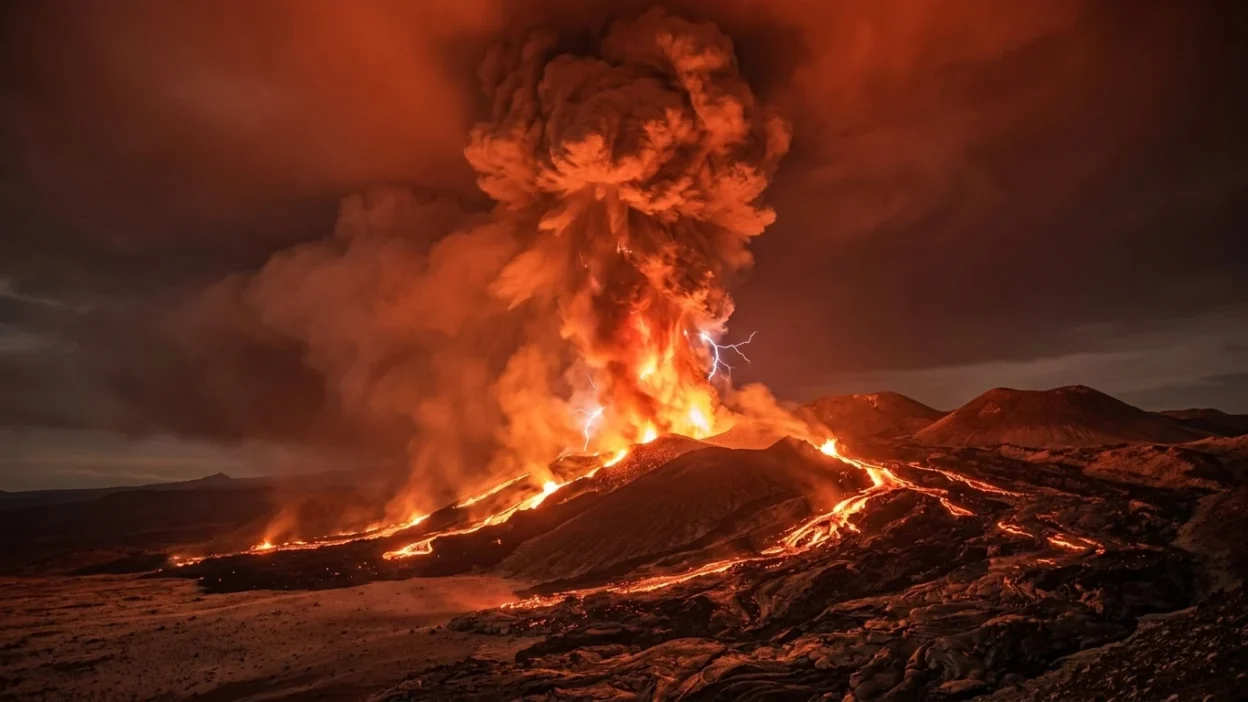
Few natural wonders hold as much raw intensity as a volcano. Beneath its still, quiet exterior lies immense pressure, ready to erupt with unstoppable force. That striking contrast between calm and eruption is exactly why volcano symbolism has fascinated cultures and spiritual traditions for centuries, representing suppressed emotion, transformation, and the powerful balance between destruction and renewal. Because it can reshape entire landscapes in moments, the volcano remains one of nature’s most dramatic symbols of hidden power finally being released.
If you’ve ever wondered why volcanoes feel so emotionally and spiritually significant, this guide will walk you through everything this powerful force truly represents.
Volcano Meaning (Clear Definition)
At its core, the volcano symbolizes suppressed power, transformation, and the balance between destruction and creation. Because it builds pressure quietly before erupting, a volcano represents the idea that intense inner energy eventually demands release.
Here’s a quick overview of its core symbolic meaning:
| Symbolic Element | Meaning |
|---|---|
| Dormant State | Suppressed emotion, hidden potential |
| Eruption | Release, transformation, intensity |
| Flowing Lava | Passion, unstoppable force |
| Ash and Aftermath | Renewal, fertile new beginnings |
| Mountain Formation | Strength, permanence |
Because volcanoes hold immense pressure before eventually erupting, their symbolism often reflects the idea that powerful change frequently follows periods of quiet buildup.
What Does the Volcano Represent?
Overall, volcano symbolism touches on several meaningful and intense themes:
- Suppressed emotion – representing feelings held beneath the surface until release
- Transformation – reshaping the old to create something entirely new
- Power and intensity – reflecting raw, unstoppable force
- Creation through destruction – new land often forms after eruption
- Warning signs – symbolizing tension building before major change
- Passion – linked to intense emotion, drive, and inner fire
Together, these themes highlight why volcanoes continue to be seen as one of nature’s most powerful symbols of both destruction and renewal.
Spiritual Meaning of the Volcano
Spiritually, the volcano represents emotional release, inner transformation, and the power of suppressed energy finally breaking free. Because it builds intensity before erupting, a volcano is often associated with the process of confronting emotions that have been buried for too long.
More specifically, the spiritual meaning of the volcano often includes:
- Releasing suppressed emotions or long-held tension
- Transforming pain into personal strength
- Trusting that powerful change often leads to renewal
- Embracing inner fire and passion rather than suppressing it
Many spiritual traditions view volcanic eruption as a necessary release, believing that emotional or spiritual pressure must eventually be expressed to make way for healing and growth.
Biblical and Religious Meaning of the Volcano
While volcanoes aren’t frequently named in scripture, their symbolism closely aligns with broader religious themes of divine power, judgment, and purification through fire.
In many religious interpretations, volcanoes are associated with:
- Divine power and might, reflecting forces beyond human control
- Purification through fire, symbolizing spiritual cleansing
- Judgment or warning, representing consequences of unresolved conflict
- Renewal, as fertile land often follows volcanic destruction
Because fire so frequently symbolizes both judgment and purification in religious texts, volcanoes naturally carry meaning tied to spiritual transformation and renewal.
Volcano Symbolism in History and Culture
Throughout history, volcanoes have carried diverse and powerful cultural meaning.
- Ancient Roman mythology – Volcanoes were linked to Vulcan, the god of fire, symbolizing craftsmanship and destructive power.
- Hawaiian traditions – Volcanoes are deeply tied to Pele, the goddess of fire, representing creation, passion, and respect for nature’s power.
- Ancient Greek culture – Volcanic eruptions were often seen as signs of divine anger or powerful supernatural forces.
- Modern scientific understanding – Volcanoes continue to symbolize the earth’s raw power and its ability to reshape itself.
Across these cultures, volcanoes consistently represent divine power, transformation, and a meaningful connection between destruction and renewal.
Volcano Symbolism in Literature and Art
In literature, volcanoes often symbolize suppressed emotion, inevitable conflict, or a dramatic turning point within a story. Writers frequently use volcanic imagery to represent a character’s internal struggle building toward an emotional or physical eruption.
Similarly, in visual art, volcanoes hold significant symbolic weight:
- Representing raw power and intensity in dramatic landscape paintings
- Symbolizing suppressed emotion and eventual release in symbolic artwork
- Creating striking visual contrast between calm and chaos
- Reflecting themes of destruction and renewal in classical and modern art
Because of their explosive and transformative nature, volcanoes continue to be a favorite artistic tool for conveying intense emotion and powerful change.
Dream Meaning of the Volcano
When a volcano appears in dreams, it often carries emotionally intense symbolism. Common interpretations include:
- A dormant volcano – suppressed emotions or unresolved tension
- A volcano erupting – emotional release or a sudden life change
- Flowing lava – passion, intensity, or overwhelming feelings
- Surviving an eruption – resilience and strength through emotional upheaval
- A volcano forming new land – personal growth following a difficult experience
Therefore, these dreams often reflect your emotional state, particularly around suppressed feelings, transformation, or the need for release.
Modern Meaning of the Volcano
Today, volcano symbolism continues to represent emotional release, resilience, and powerful transformation. In contemporary culture, volcanoes serve as a reminder to:
- Address suppressed emotions before they build into overwhelming pressure
- Embrace intense change as a path toward renewal
- Recognize the strength required to rebuild after destruction
- Honor passion and inner fire rather than suppressing it
Because of their dramatic and symbolic nature, volcanoes remain a popular symbol in personal growth, emotional healing, and creative expression, reinforcing their modern identity as a symbol of release and transformation.
Frequently Asked Questions
What does a volcano symbolize?
A volcano symbolizes suppressed power, transformation, and the balance between destruction and renewal, largely due to its buildup and eventual eruption.
What is the spiritual meaning of a volcano?
Spiritually, a volcano represents emotional release and inner transformation, often symbolizing suppressed feelings finally breaking free.
What does it mean to dream about a volcano?
Dreaming about a volcano often reflects suppressed emotions, upcoming change, or the need for emotional release in your waking life.
Why are volcanoes associated with both destruction and creation
Volcanic eruptions destroy existing landscapes while simultaneously creating fertile new land, making them a powerful symbol of transformation through both loss and renewal.
Does a volcano always symbolize something negative?
Not necessarily—while volcanoes represent intense release, they also symbolize renewal, passion, and the strength that often follows major transformation.
Conclusion
Ultimately, volcano symbolism beautifully reflects the balance between suppressed power and meaningful transformation. Representing release, resilience, and renewal, this powerful force of nature reminds us that even destruction can pave the way for fertile new beginnings.

Gabriel Santiago is a dedicated writer and symbolism researcher at BibloSign.com, passionate about exploring symbol meanings, cultural traditions, spiritual interpretations, and historical significance to help readers better understand the world of symbolism.