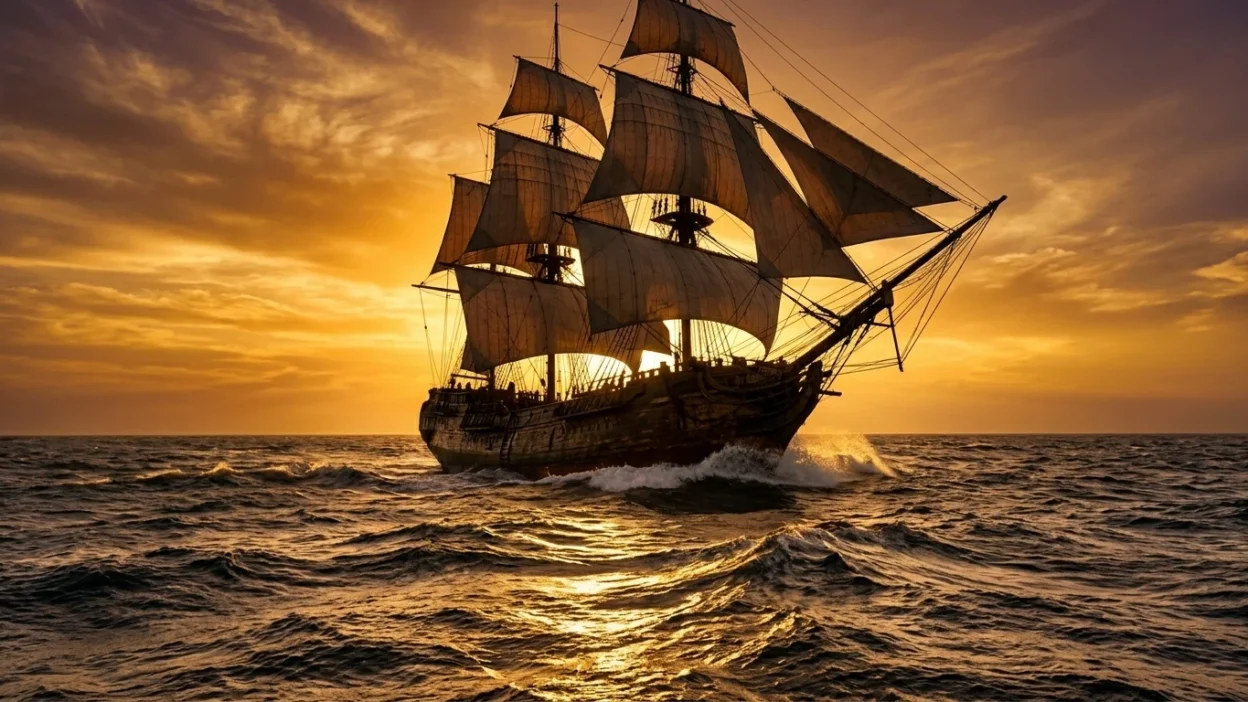
There’s a reason ships have captured human imagination for thousands of years. Larger than life, built to withstand vast oceans, and capable of carrying entire communities toward new horizons, the ship represents something far greater than transportation. That grand sense of purpose is exactly why ship symbolism has held such powerful meaning across cultures and centuries, representing exploration, resilience, and collective journey. Because it carries people together through both calm and stormy seas, the ship remains one of the most meaningful symbols of ambition and shared destiny.
If you’ve ever wondered why ships carry such deep meaning beyond their practical use, this guide will walk you through everything this powerful vessel truly represents.
Ship Meaning (Clear Definition)
At its core, the ship symbolizes exploration, resilience, and collective journey. Because it’s built to carry many people across vast and unpredictable waters, the ship represents shared purpose, ambition, and the strength to endure long voyages toward meaningful destinations.
Here’s a quick overview of its core symbolic meaning:
| Symbolic Element | Meaning |
|---|---|
| Large Vessel | Ambition, capability |
| Crew Aboard | Community, shared purpose |
| Sailing Forward | Exploration, progress |
| Weathering Storms | Resilience, endurance |
| Safe Harbor | Achievement, completion |
Because the ship carries multiple people through long and often unpredictable journeys, its symbolism often reflects the idea that meaningful achievements are rarely accomplished alone.
What Does the Ship Represent?
Overall, ship symbolism touches on several meaningful and ambitious themes:
- Exploration – reflecting the pursuit of new opportunities and discovery
- Resilience – representing endurance through difficult or turbulent times
- Community – symbolizing shared purpose and collective effort
- Ambition – often linked to large goals and long-term vision
- Leadership – reflecting guidance and direction for those aboard
- Achievement – representing successful completion of a significant journey
Together, these themes highlight why the ship continues to be seen as one of the most symbolically powerful representations of ambition and collective resilience.
Spiritual Meaning of the Ship
Spiritually, the ship represents purposeful direction, resilience, and trust in life’s larger journey. Because it’s designed to endure long voyages, the ship is often associated with staying steady and committed to one’s spiritual path, even through challenging seasons.
More specifically, the spiritual meaning of the ship often includes:
- Trusting long-term guidance, even when the destination isn’t immediately clear
- Building resilience through life’s more demanding spiritual journeys
- Recognizing the importance of community and shared support
- Staying committed to purpose despite obstacles
Many spiritual traditions view the ship as a symbol of steady perseverance, believing it represents the strength required to navigate significant life transitions with faith and determination.
Biblical and Religious Meaning of the Ship
In many religious texts, the ship holds deep symbolic significance tied to salvation, guidance, and steadfast faith.
In biblical and religious interpretations, the ship is often associated with:
- Salvation and protection, particularly through stories involving arks and vessels of deliverance
- Guidance through hardship, symbolizing divine direction during trials
- Community and faith, representing those united in shared belief
- Endurance, reflecting the strength to withstand storms and uncertainty
Because the ship so consistently represents guidance and steadfast faith, it remains one of the most meaningful symbols across various religious traditions.
Ship Symbolism in History and Culture
Throughout history, ships have carried diverse and powerful cultural meaning.
- Age of Exploration – Ships symbolized ambition, discovery, and humanity’s desire to explore the unknown.
- Viking maritime tradition – Ships represented strength, fate, and connection to both exploration and the afterlife.
- Naval history – Ships became powerful symbols of national strength, discipline, and collective effort.
- Modern symbolic use – Ships continue to represent ambition, leadership, and successful navigation through life’s challenges.
Across these cultures, ships consistently represent exploration, resilience, and a meaningful connection between ambition and shared purpose.
Ship Symbolism in Literature and Art
In literature, ships often symbolize ambition, adventure, or a character’s journey toward significant transformation. Writers frequently use ship imagery to represent large-scale goals, leadership, or the collective effort required to navigate life’s greatest challenges.
Similarly, in visual art, ships hold significant symbolic weight:
- Representing exploration and ambition in maritime and historical artwork
- Symbolizing resilience and endurance in dramatic seascape compositions
- Creating a sense of grandeur and purpose within narrative imagery
- Reflecting themes of leadership and community in classical and modern art
Because of their powerful and adventurous presence, ships continue to be a favorite artistic tool for exploring ambition, resilience, and collective achievement.
Dream Meaning of the Ship
When a ship appears in dreams, it often carries ambitious and reflective symbolism. Common interpretations include:
- Sailing on a large ship – ambition, progress, or embarking on a significant life journey
- A ship caught in a storm – facing major challenges or uncertainty
- Steering or captaining a ship – taking charge of important decisions or leadership responsibilities
- A ship reaching shore – achievement, completion, or successful resolution
- A sinking ship – fear of failure or losing control over significant circumstances
Therefore, these dreams often reflect your emotional relationship with ambition, leadership, and major life transitions.
Modern Meaning of the Ship
Today, ship symbolism continues to represent ambition, resilience, and collective achievement. In contemporary culture, the ship serves as a reminder to:
- Pursue meaningful goals with steady determination
- Value teamwork and shared effort in achieving significant milestones
- Stay resilient through life’s more demanding challenges
- Lead with purpose and vision toward long-term success
Because of its timeless and ambitious symbolism, the ship remains widely referenced in leadership discussions, personal development, and cultural storytelling, reinforcing its modern identity as a symbol of ambition and collective resilience.
Frequently Asked Questions
What does a ship symbolize?
A ship symbolizes exploration, resilience, and collective journey, representing ambition and the strength to endure significant life voyages.
What is the spiritual meaning of a ship?
Spiritually, a ship represents purposeful direction and resilience, often symbolizing trust in life’s larger journey and long-term spiritual growth.
What does it mean to dream about a ship?
Dreaming about a ship often reflects ambition, leadership, or a major life transition you’re currently navigating.
Why is the ship associated with salvation in religious texts?
In many religious stories, ships represent protection and guidance through hardship, particularly through narratives involving arks and divine deliverance.
Does a ship always symbolize something positive?
Generally yes—while a sinking ship in dreams may reflect fear of failure, the ship itself primarily symbolizes ambition, resilience, and meaningful achievement.
Conclusion
Ultimately, ship symbolism beautifully reflects the power of ambition and collective resilience. Representing exploration, leadership, and steady endurance, this powerful vessel reminds us that meaningful achievements often require both personal determination and the strength found in shared purpose.

Myla Leah is a passionate writer at BibloSign.com who explores symbol meanings, spiritual symbolism, cultural traditions, and historical interpretations, helping readers uncover the deeper significance behind symbols from around the world.