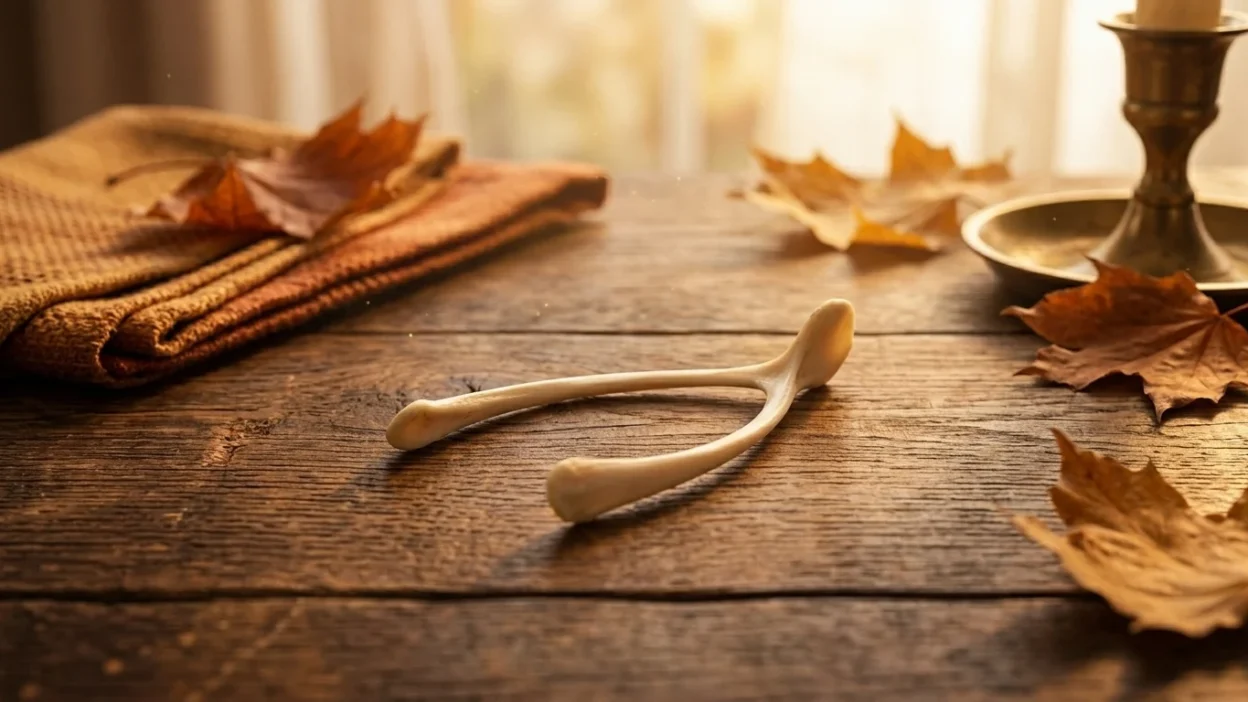
There’s a small but meaningful tradition tied to the delicate, forked bone found after a holiday meal. Two people pull, one wish is made, and somehow this simple act carries centuries of hopeful meaning. That charming ritual is exactly why wishbone symbolism has held such powerful significance across cultures and generations, representing luck, hope, and the fulfillment of desires. Because it’s traditionally broken in a playful moment of chance, the wishbone remains one of the most lighthearted yet meaningful symbols of optimism in folk tradition.
If you’ve ever wondered why the wishbone carries such deep meaning beyond its playful holiday tradition, this guide will walk you through everything this charming symbol truly represents.
Wishbone Meaning (Clear Definition)
At its core, the wishbone symbolizes luck, hope, and wish fulfillment. Because it’s traditionally broken between two people, with the larger piece said to grant a wish, the wishbone represents both chance and the hopeful belief that good fortune is within reach.
Here’s a quick overview of its core symbolic meaning:
| Symbolic Element | Meaning |
|---|---|
| Forked Shape | Choice, duality |
| Breaking Ritual | Luck, chance |
| Larger Piece | Good fortune, wish granted |
| Shared Tradition | Connection, togetherness |
| Holiday Association | Gratitude, celebration |
Because the wishbone tradition involves both hope and chance, its symbolism often reflects the playful yet meaningful belief that small rituals can carry genuine emotional significance.
What Does the Wishbone Represent?
Overall, wishbone symbolism touches on several meaningful and hopeful themes:
- Luck – reflecting the belief in fortunate outcomes
- Hope – representing optimism about future wishes and desires
- Connection – symbolizing shared moments between family or friends
- Chance – linked to the unpredictable nature of the breaking ritual
- Gratitude – often tied to holiday meals and moments of togetherness
- Positivity – reflecting a lighthearted belief in good things to come
Together, these themes highlight why the wishbone continues to be seen as one of the most charming and hopeful symbols in folk tradition.
Spiritual Meaning of the Wishbone
Spiritually, the wishbone represents hope, intention, and trust in positive outcomes. Because it involves a moment of shared ritual and chance, the wishbone is often associated with setting intentions and believing in the possibility of good fortune.
More specifically, the spiritual meaning of the wishbone often includes:
- Trusting in hopeful outcomes, even when guided by chance
- Setting clear intentions during meaningful rituals
- Embracing joy and lightheartedness in spiritual practices
- Strengthening connection through shared traditions
Many spiritual traditions view small rituals like the wishbone tradition as meaningful practices, believing that intention and belief can positively influence one’s mindset and outlook.
Biblical and Religious Meaning of the Wishbone
While the wishbone itself isn’t directly referenced in religious scripture, its symbolism aligns with broader themes of gratitude, hope, and blessing found in many spiritual traditions.
In religious interpretations, the wishbone concept is often associated with:
- Gratitude, especially tied to shared meals and holiday celebrations
- Hope for blessings and favorable outcomes
- Community, reflecting the importance of shared traditions and togetherness
- Faith in positive possibilities, even through simple, hopeful rituals
Because the wishbone tradition so closely aligns with gratitude and hopeful blessing, it remains a meaningful symbol within broader cultural and spiritual reflection.
Wishbone Symbolism in History and Culture
Throughout history, the wishbone has carried diverse and charming cultural meaning.
- Ancient Etruscan tradition – The wishbone practice is believed to have originated with the Etruscans, who used bones for divination and luck.
- Roman adaptation – Romans continued the tradition, eventually inspiring the modern custom of breaking the bone for luck.
- Thanksgiving tradition in the United States – The wishbone became a beloved holiday custom, symbolizing hope and gratitude.
- Modern folk tradition – The wishbone continues to represent luck and lighthearted hope during celebratory gatherings.
Across these cultures, the wishbone consistently represents luck, hope, and a meaningful connection between tradition and positive intention.
Wishbone Symbolism in Literature and Art
In literature, the wishbone often symbolizes hope, chance, or a lighthearted moment of connection between characters. Writers occasionally use wishbone imagery to represent optimism or a symbolic turning point tied to wish fulfillment.
Similarly, in visual art, the wishbone holds charming symbolic weight:
- Representing luck and hope in decorative and folk-inspired artwork
- Symbolizing togetherness in holiday-themed illustrations
- Creating a playful visual symbol of chance and positivity
- Reflecting themes of gratitude and celebration in seasonal design
Because of its charming and hopeful nature, the wishbone continues to be a favorite symbolic motif for representing luck and shared tradition.
Dream Meaning of the Wishbone
When a wishbone appears in dreams, it often carries hopeful and reflective symbolism. Common interpretations include:
- Breaking a wishbone – hope, anticipation, or a wish coming true
- Holding the larger piece – confidence in good fortune or success
- Holding the smaller piece – minor disappointment or adjusted expectations
- A whole, unbroken wishbone – untapped potential or an upcoming decision
- Sharing a wishbone with someone – connection, togetherness, or shared hope
Therefore, these dreams often reflect your emotional relationship with hope, luck, and personal desires.
Modern Meaning of the Wishbone
Today, wishbone symbolism continues to represent hope, luck, and meaningful connection. In contemporary culture, the wishbone serves as a reminder to:
- Embrace hopeful thinking, even during uncertain moments
- Value shared traditions and meaningful connections with loved ones
- Approach chance and uncertainty with lighthearted optimism
- Celebrate gratitude during meaningful gatherings and holidays
Because of its charming and enduring symbolism, the wishbone remains widely recognized in holiday traditions and personal keepsakes, reinforcing its modern identity as a symbol of hope and positive connection.
Frequently Asked Questions
What does a wishbone symbolize?
A wishbone symbolizes luck, hope, and wish fulfillment, representing the belief that fortunate outcomes are within reach.
What is the spiritual meaning of a wishbone?
Spiritually, a wishbone represents hope and intention, often symbolizing trust in positive outcomes through simple, meaningful rituals.
What does it mean to dream about a wishbone?
Dreaming about a wishbone often reflects hope, anticipation, or emotional connection to a wish or desired outcome.
Why do people break a wishbone for luck?
This tradition originated from ancient practices believing bones held predictive power, evolving into a playful custom symbolizing luck and hope.
Does a wishbone always symbolize something positive?
Generally yes—while receiving the smaller piece may symbolize minor disappointment, the wishbone overall represents hope, luck, and positive connection.
Conclusion
Ultimately, wishbone symbolism beautifully reflects the charm of hope and shared tradition. Representing luck, connection, and optimistic intention, this simple yet meaningful symbol reminds us that even small rituals can carry genuine hope for good things to come.

Miles Maverick is a content writer and symbolism enthusiast at BibloSign.com, specializing in symbol meanings, cultural interpretations, and historical symbolism, helping readers discover deeper insights behind signs, icons, and symbolic traditions.