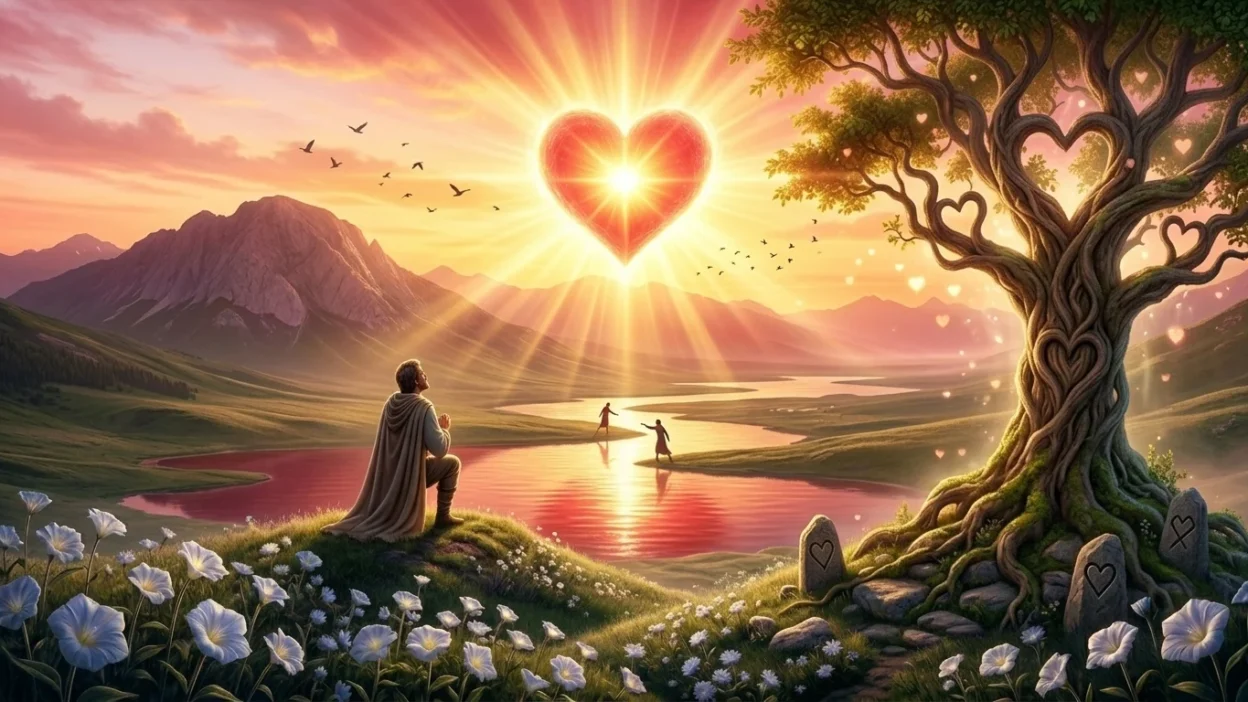
Heart symbolism has been one of humanity’s most recognizable and meaningful symbols for centuries. While the heart is a vital organ that sustains life, it also represents love, compassion, courage, emotion, and human connection. Across cultures, religions, literature, and art, heart symbolism expresses both deep personal feelings and universal values that unite people.
Whether shown as a simple heart shape or described through stories and traditions, the heart reminds us of kindness, empathy, and the strength found in genuine relationships.
Heart Symbolism Meaning
Heart symbolism refers to the meanings associated with the heart as a symbolic image. It commonly represents love, affection, compassion, courage, emotional strength, sincerity, and the center of human emotions.
Because the heart has long been linked to life and feeling, it symbolizes both physical vitality and the emotional core of a person.
Quick Definition
Heart symbolism is the representation of love, compassion, courage, emotional connection, kindness, sincerity, and inner strength.
What Does Heart Symbolism Represent?
Heart symbolism carries many positive meanings across cultures and traditions.
| Symbolic Meaning | Representation |
|---|---|
| Love | Deep affection and devotion |
| Compassion | Kindness and empathy |
| Courage | Inner strength and bravery |
| Emotional Connection | Relationships and trust |
| Sincerity | Honesty and authenticity |
| Vitality | Life and energy |
| Hope | Optimism and healing |
The heart reminds us that true strength often comes from compassion rather than power.
Spiritual Meaning of Heart Symbolism
Spiritually, the heart symbolizes unconditional love, inner peace, and the connection between the soul and the divine. Many traditions teach that an open heart allows compassion, forgiveness, and wisdom to grow.
The heart also represents emotional healing, gratitude, and the ability to love others without fear. It encourages people to live with authenticity and kindness.
Common spiritual meanings of the heart include:
- Unconditional love
- Compassion
- Inner peace
- Emotional healing
- Forgiveness
- Gratitude
- Spiritual growth
Many meditation and mindfulness practices focus on the heart as the center of emotional balance and self-awareness.
Biblical / Religious Meaning of Heart Symbolism
In the Bible, the heart often symbolizes a person’s inner character, intentions, faith, and relationship with God. Scripture frequently speaks about having a pure heart, a faithful heart, and a humble heart.
Many religious traditions view the heart as the spiritual center where love, obedience, wisdom, and devotion begin.
Religious meanings of the heart may include:
- Faith
- Love
- Purity
- Obedience
- Devotion
- Wisdom
- God’s guidance
The heart reminds believers that true transformation begins from within.
Heart Symbolism in History and Culture
Throughout history, the heart has represented affection, loyalty, and emotional truth. Ancient cultures associated the heart with intelligence, courage, and the essence of life.
Over time, the familiar heart shape became a worldwide symbol of romance, friendship, compassion, and generosity. Today, it remains one of the most recognized symbols across cultures.
Across history and culture, heart symbolism commonly represents:
- Love
- Loyalty
- Friendship
- Courage
- Compassion
- Trust
- Generosity
Its timeless meaning continues to unite people across generations.
Heart Symbolism in Literature and Art
Writers and artists often use heart symbolism to express deep emotion, personal sacrifice, and lasting relationships.
A heart may symbolize romantic love, emotional pain, forgiveness, hope, or personal transformation. In paintings, poetry, and novels, the heart often represents the emotional journey of a character.
Common artistic meanings of the heart include:
- Love
- Passion
- Compassion
- Healing
- Hope
- Emotional depth
Its universal appeal makes the heart one of the most powerful symbols in creative expression.
Dream Meaning of Heart Symbolism
The heart is a meaningful dream symbol connected with emotions, relationships, and personal well-being.
Different heart-related dreams may have different meanings:
- A healthy heart may symbolize emotional balance.
- A glowing heart can represent love and spiritual growth.
- A broken heart often reflects emotional pain or healing.
- Holding a heart may symbolize responsibility or compassion.
- A beating heart can represent vitality and renewed purpose.
Dreams involving the heart often encourage emotional honesty and self-reflection.
Modern Meaning of Heart Symbolism
Today, heart symbolism continues to represent love, empathy, kindness, and emotional wellness.
The heart appears in everyday communication, social media, art, jewelry, and charitable causes as a symbol of support and care. It also reminds people to value healthy relationships, emotional resilience, and compassion.
Today, the heart commonly symbolizes:
- Love
- Kindness
- Empathy
- Emotional wellness
- Compassion
- Connection
- Hope
Its timeless message encourages people to lead with kindness and live with authenticity.
FAQs
What is the main meaning of heart symbolism?
Heart symbolism primarily represents love, compassion, courage, emotional connection, and sincerity. It reflects both emotional and spiritual strength.
Why is the heart considered a spiritual symbol?
The heart symbolizes unconditional love, forgiveness, inner peace, and spiritual growth. Many traditions view it as the center of the soul’s emotional life.
What does the heart symbolize in dreams?
The heart in dreams often represents emotions, healing, relationships, personal growth, and emotional honesty. The meaning depends on the dream’s context.
Why is heart symbolism important in different cultures?
Many cultures associate the heart with love, loyalty, compassion, courage, and the essence of human life, making it a universal symbol.
How is the heart used symbolically in literature?
Authors use the heart to symbolize love, sacrifice, hope, forgiveness, emotional depth, and the personal journey of their characters.
Conclusion
Heart symbolism remains one of the world’s most meaningful symbols because it reflects love, compassion, courage, and genuine human connection. Whether explored through spirituality, history, dreams, literature, or everyday life, the heart reminds us that kindness and authenticity create lasting strength.

Miles Maverick is a content writer and symbolism enthusiast at BibloSign.com, specializing in symbol meanings, cultural interpretations, and historical symbolism, helping readers discover deeper insights behind signs, icons, and symbolic traditions.